
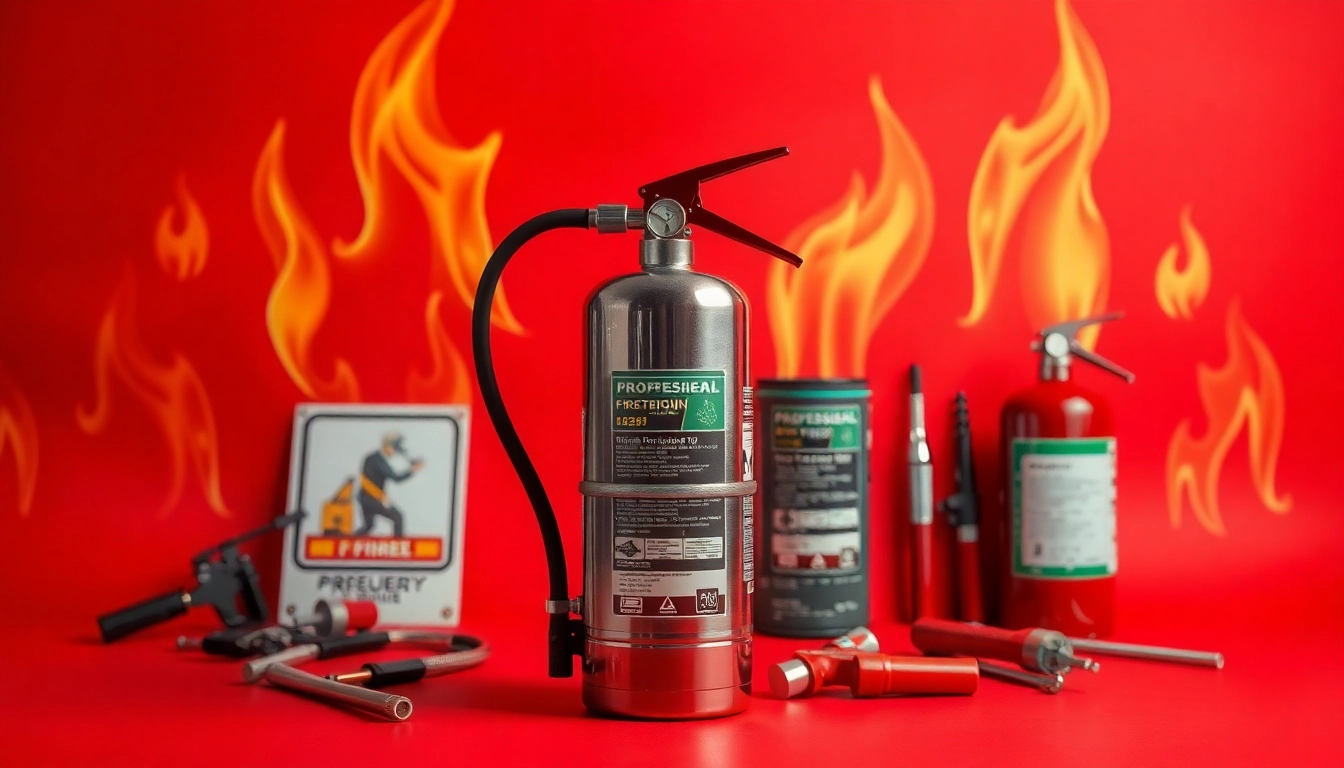
Understanding the Importance of Electrical Fire Extinguishers
In today’s equipment-intensive environments, electrical systems are fundamental to operational efficiency. However, with reliance on electricity comes the looming risk of electrical fires. The electrical fire extinguisher serves as a critical component in fire safety protocols. Understanding the importance of these extinguishers not only protects property but also ensures the safety of individuals within the premises.
The Role of Electrical Fire Extinguishers in Safety
Electrical fire extinguishers are specifically designed to tackle fires involving electrical equipment, which is often categorized as Class C fires. In environments ranging from offices to manufacturing facilities, these extinguishers provide a first line of defense against potentially devastating blaze scenarios. They help minimize damage to critical infrastructure, reducing downtime and recovery costs for businesses.
Common Causes of Electrical Fires
Recognizing the causes of electrical fires is essential in implementing preventive measures. Common culprits include:
- Overloaded Circuits: When the electrical load exceeds the circuit capacity, it can generate excessive heat, igniting flammable materials.
- Faulty Wiring: Defective or damaged wiring may spark and lead to fires.
- Improper Use of Extension Cords: Using extension cords improperly can result in overheating.
- Electrical Equipment Failure: Malfunctioning devices can pose fire risks if not properly maintained or replaced.
Legal Requirements for Businesses
In many jurisdictions, the legal implications of not having adequate fire safety measures can include hefty fines, liability claims, or even business closure. It’s crucial for businesses to stay compliant with local fire safety regulations, which often mandate the installation of electrical fire extinguishers in scenarios involving high electrical loads. Regular inspections and adherence to the National Fire Protection Association (NFPA) guidelines are essential to meet these legal obligations.
Types of Electrical Fire Extinguishers
Understanding the different types of electrical fire extinguishers on the market can greatly impact how effectively a business can respond to fires. Various models are designed for unique fire circumstances, each equipped with distinct extinguishing agents suitable for electrical fires.
Class C Extinguishers Explained
Class C fire extinguishers are classified for use on fires involving energized electrical equipment. The agents typically used include:
- Carbon Dioxide (CO2): Effective in displacing oxygen, CO2 extinguishers prevent re-ignition of fire after being extinguished.
- Dry Chemical: Commonly used, these extinguishers discharge fine powders that disrupt the chemical reaction of the fire.
Features of Modern Electrical Fire Extinguishers
Innovation has led to the development of advanced fire extinguishers that come with additional features, such as:
- Easy-to-Read Pressure Gauges: Allow users to check the functionality at a glance.
- Multi-Use Design: Certain extinguishers can fight both electrical and non-electrical fires.
- Ergonomic Handles and Light Weight: These designs promote user-friendliness and allow for quick access in emergencies.
Choosing the Right Type
Selecting the appropriate electrical fire extinguisher is crucial for effective fire management. Factors to consider include the specific electrical risks present, the size of the premises, and the volume of electrical equipment in use. Consulting with fire safety experts can provide tailored recommendations to ensure optimal safety and compliance.
Installation and Maintenance of Electrical Fire Extinguishers
Proper installation and maintenance are key to ensuring that your electrical fire extinguisher performs effectively when needed. Adhering to recommended guidelines can help avoid dangerous situations as well as maintain compliance with fire safety regulations.
Guidelines for Correct Installation
When installing electrical fire extinguishers, consider the following guidelines:
- Location: Extinguishers should be easily accessible in all areas, particularly where electrical equipment is used.
- Height: Keep extinguishers mounted at a height that allows for easy retrieval, typically between 3.5 and 5 feet from the ground.
- Signs: Ensure clear signage is in place to identify the location of extinguishers.
Regular Maintenance Practices
Routine maintenance is vital in ensuring extinguishers are in working condition. Recommended practices include:
- Monthly Visual Inspections: Check for physical damage, ensure gauges are in the operational range, and confirm that the extinguisher is easily accessible.
- Annual Professional Inspections: Engage a certified fire protection service to conduct a comprehensive inspection and perform necessary servicing.
- Recharging: After any use, extinguishers must be recharged even if only a small amount of the agent was used.
Signs Your Extinguisher Needs Replacement
An electrical fire extinguisher should be replaced if:
- The pressure gauge is in the red zone.
- There are visible signs of corrosion or damage.
- The extinguisher is older than the manufacturer’s recommended lifespan, typically between 5 to 15 years.
Training Employees on Fire Safety
Employees play a crucial role in fire safety preparedness. Regular training sessions can enhance awareness and ensure swift action in the event of an emergency.
Emergency Preparedness Training Programs
Implementing comprehensive emergency preparedness training programs can empower employees with critical skills. These programs should cover:
- Understanding fire hazard identification.
- Emergency communication protocols.
- Roles and responsibilities of each employee during a fire emergency.
How to Use an Electrical Fire Extinguisher
Proper usage of fire extinguishers is crucial. The basic steps to remember are:
- Pull: Pull the pin to unlock the mechanism.
- Aim: Aim the nozzle at the base of the fire.
- Squeeze: Squeeze the handle to release the extinguishing agent.
- Sweep: Sweep the nozzle side to side until the fire is extinguished.
Creating a Fire Evacuation Plan
A well-structured fire evacuation plan is essential for efficient emergency response. It should include:
- Clear evacuation routes and maps displayed prominently.
- Designated assembly points outside the building.
- Regular fire drills to familiarize everyone with procedures.
Case Studies: Success Stories with Fire Safety Measures
Analyzing real-world incidents can help illustrate the importance of having electrical fire extinguishers and comprehensive fire safety protocols.
Real-Life Examples of Electrical Fire Incidents
In a manufacturing plant, an overloaded circuit caused a small fire near a control panel. Fortunately, employees quickly deployed Class C fire extinguishers, containing the flames before they spread. This incident emphasized the value of immediate action and proper extinguisher placement.
Benefits of Proactive Fire Safety Measures
Companies that have implemented fire safety measures often report reduced incidents and improved employee confidence. A hotel chain that invested in extensive employee training and proper fire extinguisher installations saw a decrease in fire-related incidents by 70% over five years, coupled with enhanced guest safety ratings.
Lessons Learned from Fire Safety Failures
Conversely, businesses that neglect fire safety measures may face disastrous consequences. A small office suffered significant damage due to an electrical fire that could have been contained had proper extinguishers been accessible and employees trained adequately. This incident serves as a stark reminder of the risks of complacency in fire safety protocols.
About the Author