 Heavy Industry and Engineering
Maximizing Quality and Efficiency in Custom Steel Fabrication Projects
Understanding Custom Steel Fabrication
What is Custom Steel Fabrication?
Custom steel fabrication is the process of transforming raw steel materials into specialized components and products that meet specific engineering requirements and design specifications. This form of fabrication goes beyond standard stock items, allowing for modifications in size, shape, strength, and functionality. The flexibility it provides is essential for various applications across multiple industries—from construction and manufacturing to the automotive and aerospace sectors. By partnering with specialists in custom steel fabrication, businesses can achieve unique solutions tailored to their unique operational demands.
Common Applications for Custom Steel Fabrication
Custom steel fabrication serves a multitude of applications. In construction, it is often used to create steel frameworks and reinforcements for buildings, bridges, and other structures, ensuring they meet safety and aesthetic standards. In manufacturing, custom steel parts are integral to machinery, tools, and devices, allowing companies to enhance productivity and efficiency.
Additionally, the automotive industry utilizes custom fabrication for unique vehicle parts, enabling manufacturers to differentiate their products in a competitive market. Aerospace firms also benefit from custom steel components, which are essential for structural integrity and performance in demanding environments. Other applications include:
- Industrial equipment
- Storage solutions such as racks and shelves
- Custom furniture and décor
- Utility poles and signage
- Infrastructure projects like pipelines and tank fabrication
The Benefits of Custom Fabrication Over Standard Options
While standard fabricated steel products can be suitable for many projects, custom fabrication offers numerous advantages that can lead to enhanced performance and satisfaction for end-users. One of the principal benefits is the ability to design components that fit precisely within the constraints of a project. This can minimize waste and reduce the need for adjustments onsite, leading to faster assembly times.
Moreover, customization allows businesses to choose materials and finishes that enhance longevity and aesthetic appeal. Engineers can also specify tolerances and dimensions that improve the functionality of components, ultimately resulting in superior performance. In terms of cost, while custom solutions may carry higher upfront expenses, they can yield savings in the long run through reduced maintenance and replacement cycles.
Key Techniques in Custom Steel Fabrication
Welding Methods for Custom Steel Fabrication
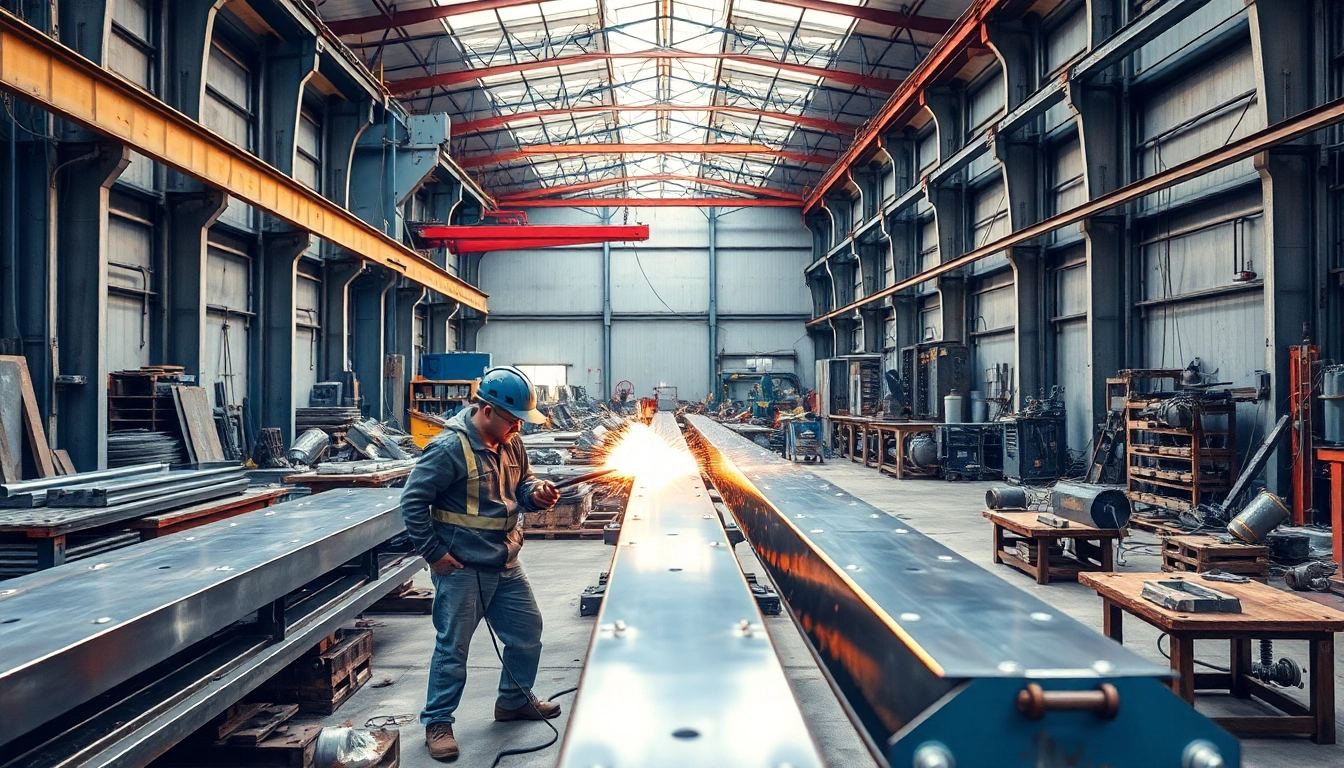
Welding is a fundamental technique in custom steel fabrication. It involves joining two or more pieces of metal together using heat and pressure. Various welding methods are employed depending on the material type and desired joint characteristics. Common methods include:
- MIG Welding (Metal Inert Gas): This method is efficient for thin materials and allows for quick and clean welds.
- TIG Welding (Tungsten Inert Gas): TIG welding is ideal for more delicate operations and provides greater control over the weld pool, making it suitable for high-precision applications.
- Stick Welding: Known for its versatility, stick welding can be used on various materials and is effective in outdoor conditions.
Each technique has unique strengths and applications, and the choice of which to use often hinges on the specific requirements of the project. Proper training and experience in each method are essential for ensuring weld quality and addressing challenges like distortion and penetration.
Precision Cutting Techniques
Precision cutting is another critical aspect of custom steel fabrication. Techniques such as laser cutting, plasma cutting, and waterjet cutting enable fabricators to achieve intricate designs and tight tolerances that are often necessary for modern engineering projects.
Laser cutting utilizes high-powered lasers to cut through metal with remarkable accuracy, providing clean edges and minimal material waste. This technique is particularly advantageous for complex shapes that require precision.
Plasma cutting is a popular method for thicker materials, employing a high-temperature plasma arc to melt through metal. While less precise than laser cutting, it is faster and more cost-effective for larger projects.
Waterjet cutting uses ultra-high-pressure water streams, often mixed with abrasives, to cut through materials without generating heat, thus preserving the material properties. It is particularly effective for metals that cannot tolerate thermal stress.
Machining Processes in Steel Fabrication
Machining is a subtractive manufacturing technique employed to achieve specific component shapes and finishes. Various machining processes play vital roles in custom steel fabrication, including:
- Milling: Involves rotating a cutting tool against the steel to remove material, allowing for the creation of flat surfaces, grooves, and various features.
- Turning: Involves a rotating piece of steel being cut by a stationary tool, ideal for cylindrical objects.
- Drilling: Used to create holes in metal parts with accuracy.
Machining allows for tight tolerances and intricate designs, but understanding the various processes is essential to select the most suitable option based on specific project requirements.
Selecting the Right Materials
Types of Steel Used in Custom Fabrication
Choosing the right steel is crucial to the success of any fabrication project. Various types of steel are available, each with unique properties suited to specific applications:
- Carbon Steel: Commonly used for its high strength-to-weight ratio and versatility, making it suitable for construction and manufacturing.
- Stainless Steel: Known for its corrosion resistance and aesthetic appeal, stainless steel is ideal for food processing and architectural applications.
- Alloy Steel: This type includes various additional elements to enhance properties such as toughness, wear resistance, and fatigue strength.
- Tool Steel: Designed for the manufacturing of tools and dies, this steel type can withstand high temperatures and stress.
Factors Influencing Material Selection
Several factors may influence the choice of material for custom steel fabrication, including:
- Mechanical Properties: The strength, hardness, ductility, and toughness of materials impact how they perform under varying conditions.
- Environmental Resistance: Depending on the project’s application, materials may need to withstand corrosion, heat, or chemicals.
- Casting and Machining Properties: The chosen materials must be suitable for fabrication processes they’ll undergo, e.g., if they are easily machinable or weldable.
How Material Choice Affects Project Outcome
The material selected for any fabrication project can significantly affect the end product’s performance, lifespan, and overall success. For example, selecting low-quality steel may lead to structural failures, increased maintenance costs, and unsafe conditions. Conversely, choosing premium materials may enhance durability and reduce long-term expenses. Consultation with experienced fabricators can help ensure that the best material is selected based on project specificities.
Design Considerations for Custom Fabrication
Importance of CAD in Custom Steel Design
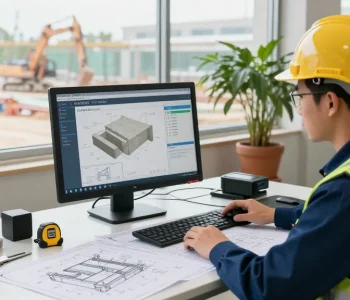
A critical component of the custom steel fabrication process is the design phase, which often utilizes Computer-Aided Design (CAD) software. CAD allows engineers and designers to create detailed 3D models of components, facilitating a deeper understanding of fit, function, and ease of manufacturing. This precision reduces errors and ensures that all necessary specifications are met before the fabrication process begins.
Furthermore, CAD systems support simulations that can anticipate how components will behave under real-world conditions, allowing for modifications to improve durability without extensive rework in the fabrication stage. This efficiency can lead to significant time and cost savings while enhancing quality.
Factors Impacting Structural Integrity
Several factors influence the structural integrity of custom steel components, including:
- Design Complexity: More intricate designs may present challenges in achieving optimal strength and stability.
- Material Quality: The integrity of the materials used impacts overall strength, ensuring that they can withstand stress and strain.
- Fabrication Techniques: The methods used to join materials, such as welding or machining, directly affect the performance of the final product.
It is essential to consider these factors during the design phase to ensure that the end product meets safety standards and performs as intended.
Client Collaboration in Design Phase
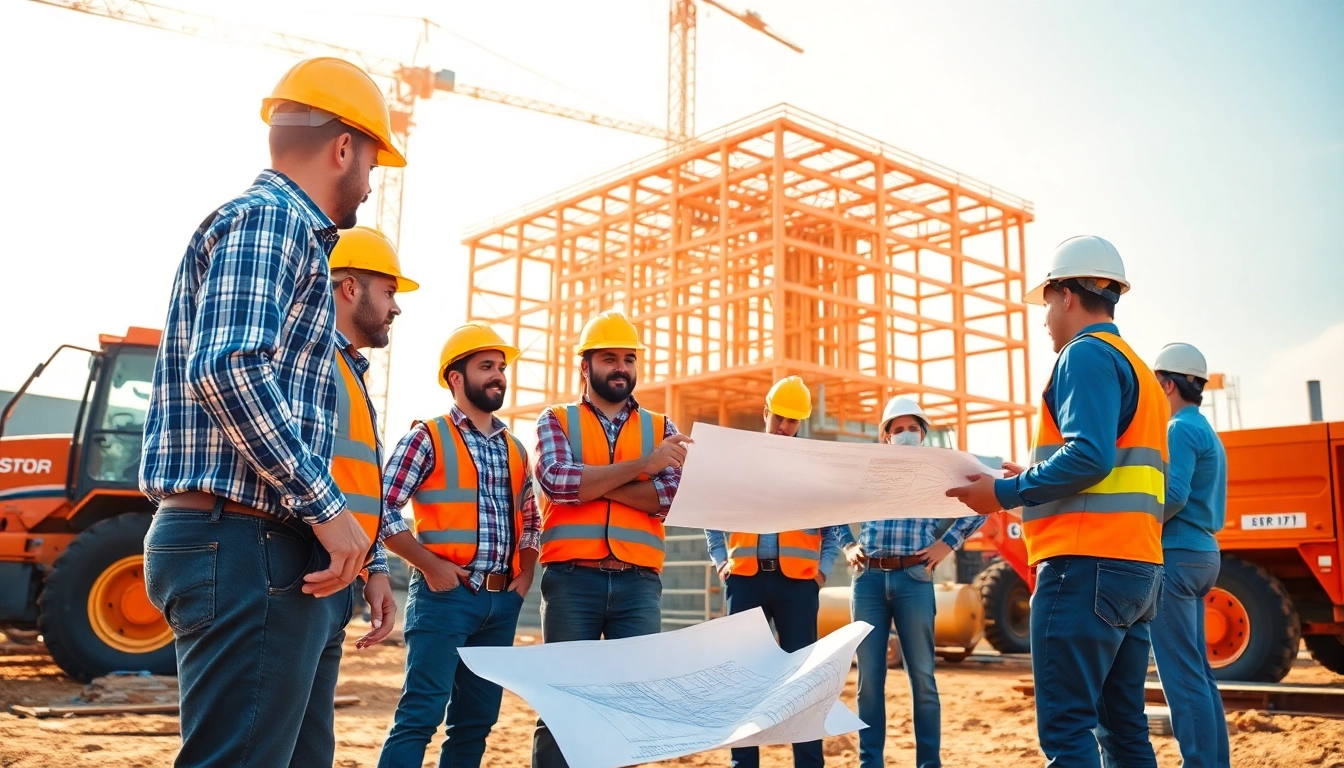
Client input is vital in the design phase of custom steel fabrication projects. Regular communication helps to establish clear goals, timelines, and expectations. Fabricators and clients can collaborate closely to refine designs based on practical needs and insights, resulting in a final product that meets or exceeds client expectations.
Furthermore, being involved in the design process can help clients understand the limitations and possibilities associated with fabrication techniques and material choices. This knowledge can lead to more informed decision-making and ultimately a more successful project outcome.
Evaluating Performance and Cost-effectiveness
Measuring Quality in Custom Steel Fabrication
Quality control is a necessary aspect of custom steel fabrication that can significantly impact project success. Various quality metrics can be employed to ensure that finished products meet predefined standards. Some essential quality measures include:
- Dimensional Accuracy: Components must meet specified tolerances to ensure proper fit and function.
- Weld Integrity: Regular inspections of welds can prevent failures in the field, ensuring that structural connections are secure.
- Surface Finish: The quality of the surface can affect other characteristics, such as resistance to corrosion or wear.
By implementing rigorous inspections and quality assurance processes, custom steel fabricators can enhance the reliability and performance of finished products.
Cost Analysis of Custom vs. Standard Fabrication
Evaluating the costs associated with custom steel fabrication compared to standard options requires a comprehensive analysis of various factors. Initially, custom fabrication may present higher upfront costs due to the specialized processes, tooling, and labor involved. However, it is essential to consider long-term cost benefits, including:
- Reduced material waste through optimal design and fit.
- Lower maintenance and repair costs for custom components built to specific requirements.
- Improved operational efficiency as custom parts can enhance process effectiveness.
Ultimately, establishing a true cost-benefit analysis is a critical step in determining whether a custom solution makes financial sense for a particular project.
Long-term ROI of Custom Steel Projects
Determining the return on investment (ROI) from custom steel fabrication involves analyzing both the qualitative and quantitative impacts of the project. High-quality custom components can contribute to overall operational efficiency, enhancing productivity and reducing downtime through better-optimized manufacturing processes.
The durability and performance enhancements associated with custom steel fabrication can also lead to fewer replacements and repairs over the project lifespan. This not only translates to lower ownership costs but can also improve profitability over time. A careful analysis of all these factors can provide a clearer picture of the long-term benefits of investing in custom steel solutions, supporting decision-making for future projects.