
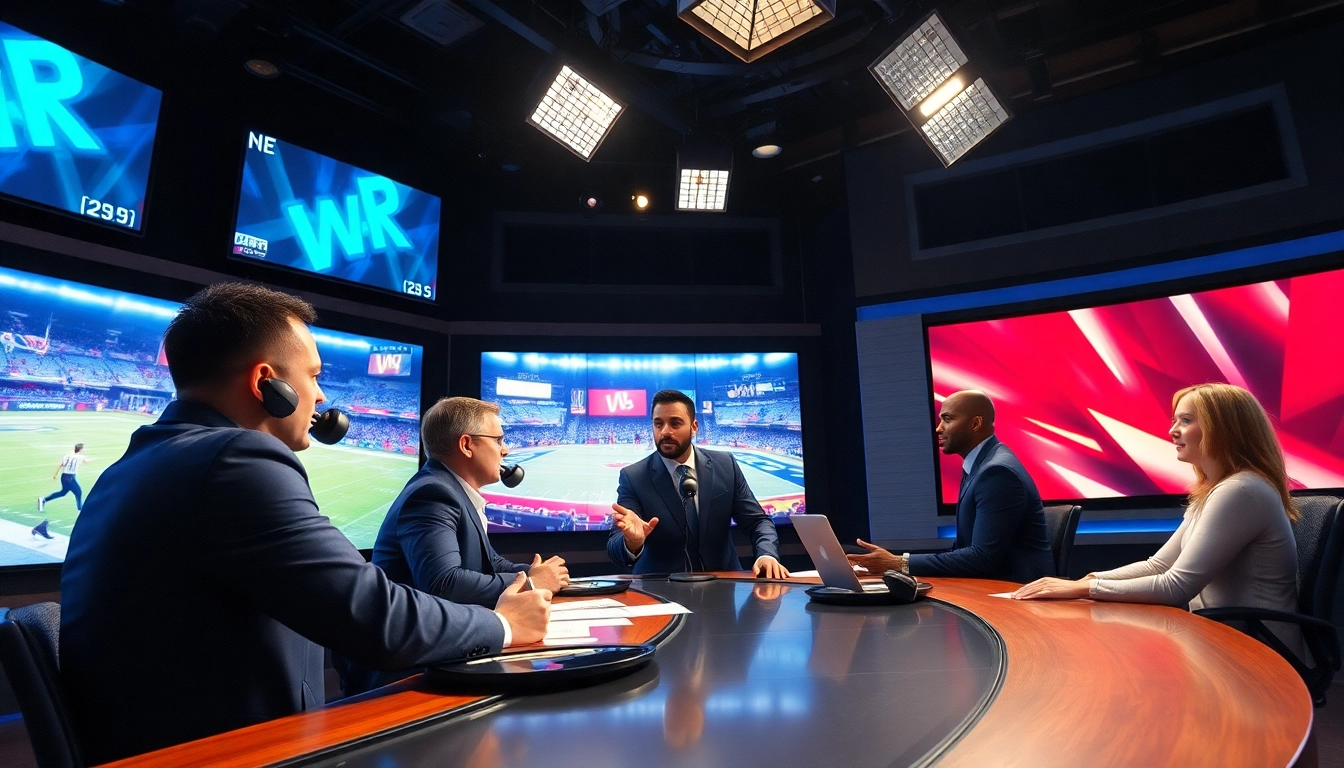
The Evolution of Sports Broadcasting
Sports broadcasting has undergone significant transformations since its inception, becoming a primary medium for the fan experience. From the early days of radio broadcasts of games to the current era dominated by Sports Broadcasting on various digital platforms, this field has continuously adapted to advancements in technology and shifts in viewer behavior. Understanding the history and evolution of sports broadcasting offers rich insights into its current dynamics and future trajectories.
The Historical Context of Sports Broadcasting
The first known sports broadcasts began in the 1920s with radio, allowing fans to follow games and events in real-time. This innovation marked a dramatic shift from written reports and in-person attendance to an auditory experience that engaged millions. In 1939, NBC aired the first television broadcast of a sports event, showcasing a baseball game between Columbia and Princeton, which further revolutionized how audiences consumed sports. With each decade, new milestones were achieved, including the introduction of color television, cable sports networks, and the Internet, which expanded the reach of sports broadcasting exponentially.
Technological Advancements in Sports Broadcasting
Technological innovations have played a crucial role in the evolution of sports broadcasting. The advent of satellite technology in the 1980s enabled the transmission of live sports to a global audience, while the rise of the Internet and mobile technology reshaped how viewers consume sports content. High-definition (HD) and ultra-high-definition (UHD) broadcasts provide viewers with exceptional clarity, significantly enhancing the spectator experience. Innovations such as instant replays, multiple camera angles, and drones have also enriched the storytelling aspect of sports, making broadcasts more engaging and dynamic.
The Impact of Streaming on Sports Broadcasting
The emergence of streaming services has profoundly impacted sports broadcasting, allowing fans to consume content on-demand across a variety of devices. Platforms like Amazon Prime Video, Hulu, and dedicated sports streaming services offer extensive coverage that traditional broadcasters cannot match, catering to younger demographics who prefer flexibility over conventional viewing methods. This shift has forced traditional broadcasters to rethink their strategies, often leading to collaborations with tech companies to expand their reach and retain relevancy in a rapidly changing landscape.
Understanding Audience Demographics in Sports Broadcasting
Knowing the audience is crucial for effectively engaging fans in sports broadcasting. The landscape of sports viewership is becoming increasingly fragmented, requiring broadcasters to understand diverse demographics better to tailor their content accordingly.
Identifying Core Audience Segments
Sports audiences can be segmented based on various factors, including age, gender, location, and viewing preferences. Younger audiences gravitate toward esports and interactive content, while older demographics may prefer traditional sports broadcasting. Identifying these audience segments allows broadcasters to develop targeted content, ensuring broader engagement and loyalty. Advanced analytics tools and surveys help in gathering insights, refining content strategies, and enhancing audience satisfaction.
Tailoring Content for Engagement
To increase viewer engagement, sports broadcasters must create content that resonates with their identified audience segments. Tailoring programming to incorporate more interactive elements, real-time statistics, behind-the-scenes access, and personalized marketing can enhance viewer experiences. Implementing narrative storytelling and focusing on local heroes helps to maintain relevance and attract diverse audiences. Engaging content not only captivates fans but also fosters community around specific sports and leagues.
Measuring Audience Reactions
Effective measurement of audience reactions provides essential feedback for broadcasters. Techniques such as social media analytics, viewer ratings, and engagement metrics offer valuable insights into how audiences consume content and the effectiveness of programming choices. By continuously monitoring viewer reactions, broadcasters can adjust their strategies in real time, ensuring they meet audience expectations and preferences while maximizing viewer retention and satisfaction.
Production Quality and Its Influence
Production quality significantly influences the perception of a sports broadcast. Top-notch production contributes to a more immersive viewing experience, which can lead to increased viewer loyalty and brand strength for broadcasters.
Essential Elements of High-Quality Sports Broadcasting
High-quality sports broadcasts encompass various elements, including camera work, sound engineering, and story progression. Utilizing advanced technology such as slow-motion cameras and 360-degree graphics creates a more engaging viewer experience. Moreover, maintaining an efficient workflow during live broadcasts is critical to ensure smooth transitions, enhancing the professionalism of the presentation. Investing in high-quality production not only improves viewer satisfaction but also establishes credibility and a positive reputation in the competitive broadcasting landscape.
Importance of Good Commentators
Commentators play a pivotal role in shaping the viewer experience. Their knowledge, charisma, and ability to communicate effectively can turn an ordinary broadcast into an engaging event. Strong commentators foster a connection with the audience, providing insights and storytelling that add depth to the experience. Thorough training programs for commentators can help refine their skills in delivering compelling narratives while maintaining a professional demeanor, essential for capturing viewer attention and maintaining audience loyalty.
Screen Graphics and Their Impact
Screen graphics function as a crucial informational tool during broadcasts, providing audiences with real-time statistics, player information, and crucial game updates. Effective graphics should be clear and aesthetically pleasing, enhancing the viewer experience rather than detracting from the action. Innovations in graphic design and execution can elevate the production quality. Collaborating with experienced designers to develop unique branding also helps broadcasts stand out and reinforces the overall identity of the sports network.
Marketing Strategies in Sports Broadcasting
Implementing effective marketing strategies is vital for the success of sports broadcast networks. Engaging marketing campaigns can enhance viewership, build community, and attract advertisers, creating a sustainable ecosystem for sports broadcasting.
Leveraging Social Media for Broadcasting
Social media has revolutionized marketing in sports broadcasting, providing a platform for real-time interaction between broadcasters and viewers. By utilizing channels such as Twitter, Instagram, and Facebook, broadcasters can promote upcoming events, share highlights, and engage in conversations with their audience. Well-curated social media strategies can create buzz around broadcasts and sustain viewer interest, ensuring higher engagement levels and expanding reach.
Promotions and Sponsorships
Promotions and strategic sponsorships play a significant role in bolstering revenue and improving visibility. Collaborations with brands can lead to co-branded events and campaigns that create shared promotional opportunities. Tailoring promotions specific to audience interests can drive engagement and increase the effectiveness of marketing investments. Such partnerships not only generate financial support but also enhance the overall appeal of sports programming.
Building Brand Partnerships
Establishing solid brand partnerships is essential for maximizing the reach and impact of sports broadcasts. Long-term collaborations with brands enhance credibility and provide additional financial resources for operations. These partnerships should reflect the interests of the target audience, ensuring they resonate and create a positive association with the broadcast network. Furthermore, aligning with influential stakeholders can amplify marketing efforts and create a more substantial brand presence across platforms.
Future Trends in Sports Broadcasting
As the sports broadcasting landscape continues to evolve, staying ahead of future trends will be essential for success. By embracing innovative technologies and adapting to changing consumer behaviors, broadcasters can continue to engage their audiences effectively.
The Role of Augmented Reality
Augmented Reality (AR) is poised to revolutionize sports broadcasting by creating immersive viewing experiences. AR can enhance broadcasts by overlaying digital information in real-time, allowing fans to access player statistics, game analytics, and interactive content directly on their screens. Such innovations not only enrich the viewer experience but also provide new revenue opportunities for broadcasters through AR-related marketing and partnerships.
Adapting to Consumer Behavior Changes
Understanding and adapting to shifts in consumer behavior is critical for maintaining relevance in sports broadcasting. As audiences increasingly seek personalized, on-demand content, broadcasters must pivot strategies to cater to these preferences. Developing modular programming and interactive features, such as audience voting or player interactions, can draw in a broader demographic, making sports broadcasts more inclusive and engaging.
Innovations on the Horizon in Sports Broadcasting
The future of sports broadcasting holds exciting innovations, including enhanced virtual reality experiences, AI-driven content curation, and integration of advanced analytics into broadcasts. Embracing these innovations can allow broadcasters to offer unprecedented viewing experiences that cater to evolving consumer preferences, ensuring they remain competitive and relevant in an increasingly complex landscape. Investing in research and development will enable broadcasters to innovate continuously and redefine how fans experience sports.
FAQs About Sports Broadcasting
What is sports broadcasting?
Sports broadcasting refers to the live transmission of sporting events via television, radio, or digital platforms. It aims to provide fans with access to games and related content.
How has technology changed sports broadcasting?
Technology has improved the quality of broadcasts through HD and 4K video, instant replays, graphics, and streaming services, enhancing the viewer experience.
What demographics are most engaged in sports broadcasting?
Demographics vary; younger audiences prefer digital content and interactive viewing, while older demographics may enjoy traditional broadcasts. Understanding these groups is vital for engagement.
How can broadcasters use social media effectively?
Broadcasters can use social media for real-time interaction, promoting events, sharing highlights, and engaging with fans to build community and enhance viewership.
What is the future of sports broadcasting?
The future includes innovations like augmented reality, personalized content, and advanced analytics, aimed at enhancing viewer engagement and adapting to changing preferences.
About the Author