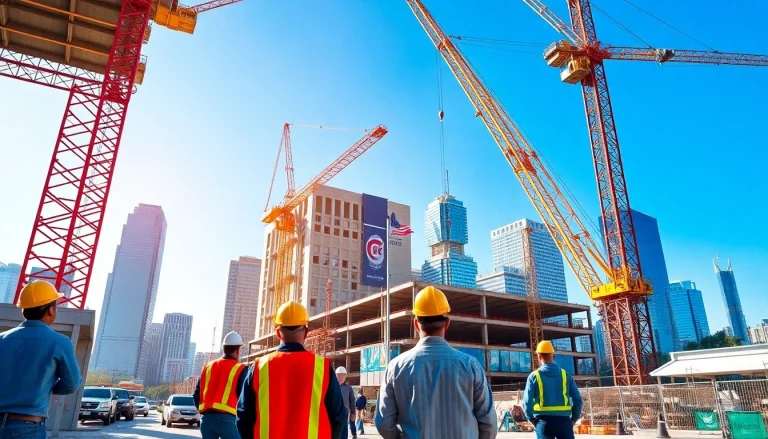

Understanding the Role of a New York City Construction Manager
The role of a New York City Construction Manager extends beyond mere oversight; it integrates various elements of project management, finance, regulation, and human dynamics to complete construction projects efficiently. In the bustling and complex environment of New York City, construction managers must juggle numerous responsibilities while ensuring compliance with strict regulations. Their expertise plays a foundational role in transforming blueprints into reality, with a keen eye on timelines, budgets, and stakeholder satisfaction.
Key Responsibilities and Skills
A New York City Construction Manager is tasked with several key responsibilities, which include:
- Project Planning: Establishing timelines and milestones for construction phases.
- Budget Management: Preparing and overseeing budgets to ensure projects remain financially viable.
- Team Coordination: Collaborating with architects, engineers, and contractors to ensure goals are met.
- Site Management: Monitoring daily site activities to ensure compliance with safety and building codes.
- Problem-Solving: Addressing and resolving unexpected issues that arise during construction.
To succeed, a construction manager must also possess a diverse set of skills including leadership, communication, negotiation, and strategic thinking. Understanding construction methodologies and local regulations is vital for navigating New York City’s unique building landscape.
Importance of Location-Specific Knowledge
New York City presents a distinct environment for construction, characterized by dense urban settings, varying infrastructure, and a multitude of zoning laws. A construction manager must be well-versed in the specific regulations, permit requirements, and building codes that apply to different boroughs and neighborhoods. This localized knowledge not only aids in compliance but also enhances project efficiency and mitigates potential delays stemming from legal issues.
Essential Tools for Modern Management
The contemporary construction landscape is increasingly reliant on technology. Tools like project management software (e.g., Autodesk, Procore) facilitate efficient work management and communication among stakeholders, while Building Information Modeling (BIM) provides detailed project visualization. Mobile apps can assist in on-site documentation and task management, enabling construction managers to communicate real-time updates effectively. Leveraging these tools enhances productivity, minimizes errors, and improves overall project management quality.
Challenges Faced by New York City Construction Managers
Regulatory and Compliance Issues
Navigating the complex regulatory framework in New York City can be one of the most significant challenges for construction managers. With multiple agencies involved, including the Department of Buildings (DOB) and the Landmarks Preservation Commission, obtaining necessary permits and approvals can be a time-consuming endeavor. To combat this problem, construction managers should establish good relationships with regulatory bodies and remain current on changes in laws and regulations.
Budget Constraints and Resource Management
Managing budgets effectively is critical, especially in a city known for its high construction costs. Construction managers often face challenges in resource allocation, inflation, and unforeseen expenses that can derail project timelines. Implementing thorough financial planning and utilizing cost estimation software can mitigate these issues. Regular budget reviews and transparent communication with stakeholders regarding financial projections are also essential.
Weather and Environmental Factors
New York City’s unpredictable weather can also impact construction schedules. From heavy snow in winter to intense summer storms, environmental factors must be accounted for during project planning. Construction managers should develop contingency plans that include potential schedule shifts and resources necessary to mitigate weather-related delays, thus ensuring uninterrupted progress.
Best Practices for New York City Construction Manager Efficiency
Effective Communication Strategies
Clear and consistent communication is paramount in the construction management field. Establishing communication protocols that include regular updates, stakeholder meetings, and using collaborative platforms ensures that everyone involved in the project is informed. Furthermore, the development of an open-door policy can foster an environment conducive to team collaboration and encourages team members to voice concerns quickly.
Utilizing Technology and Software Tools
As mentioned earlier, technology adoption can significantly enhance efficiency. Beyond project management tools, construction managers should consider using integrated software that consolidates various project aspects under one platform—such as scheduling, budgeting, and resource management—all of which lead to increased productivity and reduced errors through automation and real-time data analysis.
Continuous Training and Education
The construction industry is continually evolving, with new building techniques, materials, and technologies emerging regularly. To maintain their competitive edge, New York City construction managers must pursue ongoing training and professional development. Participating in workshops, online courses, and industry conferences can provide valuable insights on the latest trends and technologies that can be integrated into project management practices.
Building Stronger Teams in Construction Management
Fostering Collaboration and Team Dynamics
Strong teams are characterized by effective collaboration. Construction managers should cultivate an environment where team members feel valued and empowered to contribute to project objectives. Regular team-building activities, open discussions, and collaborative goal-setting sessions can help enhance team dynamics. Furthermore, recognizing team members’ achievements fosters motivation and commitment to project success.
Strategies for Conflict Resolution
Conflict can arise in high-pressure environments like construction sites. A skilled construction manager needs to handle disputes with precision and tact. Developing conflict resolution skills is essential; managers should approach conflicts with a clear understanding of all parties’ perspectives and facilitate constructive dialogue to reach amicable solutions. Maintaining an impartial stance and focusing on problem-solving rather than placing blame is key to effective resolution.
Importance of Diversity in Construction Teams
Diverse construction teams often yield innovative solutions and enhance creativity in project execution. Emphasizing the recruitment of varied backgrounds and experiences can lead to a richer exchange of ideas and can enhance problem-solving capabilities. Promoting an inclusive workplace where every team member feels they contribute to the project enriches team performance and outcomes.
Future Trends for New York City Construction Managers
Embracing Sustainable Construction Practices
As environmental awareness grows, construction industry players are prioritizing sustainability. New York City construction managers need to adopt sustainable practices, such as using renewable materials and implementing energy-efficient designs. Understanding regulations surrounding green building and seeking LEED certification can position projects favorably while meeting the increasing demand for environmentally responsible construction.
The Impact of Smart Cities on Construction
The development of smart cities will revolutionize construction management. Integrating technology into urban development projects will require construction managers to be adept in smart technologies, from IoT systems to advanced data analytics. Engaging with urban planners and technologists will be essential in realizing the promise of smart construction, enhancing operational efficiency and user experience in the built environment.
Adapting to New Market Demands
The construction industry is subject to changing market conditions and consumer preferences. The rise of remote work may influence commercial construction trends, while residential developments must adapt to new living demands. Construction managers need to stay ahead of these market shifts by conducting regular market analyses to inform their project strategies and ensure they are meeting customer needs effectively.
Frequently Asked Questions
What qualifications are needed to become a construction manager in NYC?
A bachelor’s degree in construction management, civil engineering, or a related field is typically required. Relevant experience in construction projects, along with leadership skills, is also crucial.
How do construction managers handle safety regulations?
Construction managers enforce compliance with OSHA regulations and local safety standards, conducting regular safety meetings and training sessions to ensure everyone on-site understands safety protocols.
What is the average salary for a construction manager in NYC?
The average annual salary for a construction manager in NYC can range widely, but it typically falls between $90,000 and $140,000, depending on experience and the complexity of the projects managed.
How do technology tools improve construction management?
Technology tools streamline project management by facilitating communication, real-time tracking of project phases, and better resource allocation, ultimately leading to increased efficiency and reduced delays.
What are some common challenges construction managers face?
Common challenges include regulatory compliance, budget management, labor shortages, and environmental factors that can impact project timelines and costs.
About the Author