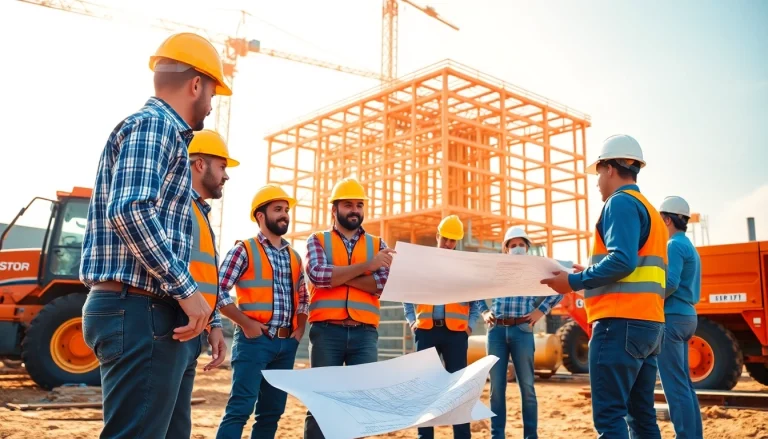

Understanding the Importance of Construction Education
Construction education plays a crucial role in preparing individuals for successful careers in the construction industry. With the growing complexities of projects and increasing safety regulations, a well-structured construction education is essential. It equips future workers with the necessary skills and knowledge to meet industry demands effectively. This comprehensive guide aims to explore the profound impact of construction education on workers, employers, and community development, proving that investing in training and education is key to fostering a robust workforce.
What is Construction Education?
Construction education encompasses a broad spectrum of learning programs designed to impart knowledge, practical skills, and competencies required in various construction roles. It includes formal education through degree programs, vocational training, and apprenticeships, as well as online courses that provide flexibility for learners. Covering essential topics such as building codes, materials science, site management, and safety practices, construction education addresses the growing industry’s needs by crafting a skilled labor pool that can tackle modern challenges.
Key Benefits for Workers and Employers
The benefits of construction education are numerous, impacting both workers and employers positively. For workers, comprehensive education programs enhance skill acquisition, fostering job readiness and increased earning potential. Achieving certifications and degrees leads to better job security and opens up advancement opportunities within the industry.
On the employer side, investing in education ensures a highly skilled workforce that meets safety regulations and operational standards. With educated workers, companies can expect increased productivity, reduced turnover rates, and fewer workplace accidents, ultimately translating to better project outcomes and financial performance.
Role in Community Development
Effective construction education extends its benefits beyond individual careers; it plays a vital role in community development. Educated workers contribute to infrastructure development, facilitating urban renewal and enhancing local economies. As these construction projects materialize, they create job opportunities, stimulate growth, and improve public spaces. Furthermore, a well-educated workforce emphasizes sustainability, helping communities to adopt environmentally friendly building practices which can lead to long-term community resilience.
Types of Construction Education Programs
Formal Education: Degrees and Certifications
Formal education in the construction field typically includes associate, bachelor’s, and master’s degree programs in construction management, civil engineering, and architecture. These programs provide comprehensive academic knowledge complemented by real-world applications through internships and projects. Furthermore, obtaining professional certifications—such as Certified Construction Manager (CCM) or Project Management Professional (PMP)—can significantly enhance a worker’s credibility and marketability in the field.
Apprenticeships and Hands-On Training
Apprenticeships bridge the gap between theoretical knowledge and practical application. They combine job training with classroom instruction, allowing individuals to gain valuable experience under the guidance of experienced professionals. This on-the-job training is essential as it teaches the nuances of construction techniques and safety protocols that cannot be fully grasped through coursework alone. Apprenticeships also help cultivate a dedicated workforce that is well-acquainted with industry standards and practices.
Online Courses and Resources
In today’s digital age, online construction education is becoming increasingly popular, offering flexibility for both working professionals and students. Various platforms provide comprehensive courses on topics such as project management, building information modeling (BIM), and construction laws. These online resources often feature interactive elements, on-demand content, and self-paced learning, making it accessible tailored to individual needs and schedules. Online education is particularly beneficial for those seeking to enhance their skills without the constraints of traditional classroom settings.
Best Practices for Implementing Construction Education
Curriculum Development Tailored to Industry Needs
Effective construction education begins with a well-designed curriculum that aligns with current industry requirements. Involving stakeholders such as construction companies, trade associations, and educational institutions in curriculum development ensures the program reflects real-world practices and emerging trends. Continuous feedback from industry players can further enhance the curriculum, ensuring it remains relevant and effective in producing competent graduates.
Incorporating Technology and Tools
Technology has become instrumental in transforming traditional learning into an engaging and interactive experience. By integrating tools such as virtual simulations, augmented reality, and industry-standard software, educators can provide students with a rich learning environment that prepares them for actual working conditions. Utilizing these technologies can also enhance the teaching and learning processes, making complex concepts more accessible and easier to understand.
Measuring Success and Adaptation
To sustain effective construction education programs, it is vital to implement mechanisms for measuring success. This includes gathering data on student performance, employment rates post-graduation, and feedback from graduates and employers. Continuous assessment allows for timely adjustments to programs, ensuring they adapt to evolving industry standards and practices. Engaging in regular reviews and updates of the curriculum promotes a culture of improvement and responsiveness.
Challenges in Construction Education
Addressing Skills Gaps in the Workforce
One of the main challenges facing construction education is the persistent skills gap in the workforce. As technology advances and construction methodologies evolve, many workers fail to keep pace with necessary skills. Addressing this requires a commitment to lifelong learning initiatives and upskilling programs that help current employees adapt to new tools and methods. Educational institutions must also focus on attracting younger generations into the construction field to maintain a competent workforce pipeline.
Funding and Resource Allocation
Funding remains a critical issue in establishing and maintaining effective construction education programs. Limited resources can hinder the development of comprehensive curricula and access to advanced technological tools for educators and students. Securing investment from both the public and private sectors, as well as forging partnerships with industry stakeholders, is essential to provide adequate resources for construction education. Advocacy for increased funding can pave the way for improved training facilities, equipment, and instructor qualifications.
Encouraging Participation in Programs
Encouraging participation in construction education programs, especially among underrepresented groups, poses another challenge. To attract diverse candidates, outreach programs, scholarships, and mentorship opportunities play a crucial role. Highlighting success stories from varied backgrounds can also inspire interest and commitment to a construction career. Creating inclusive environments in educational settings fosters engagement and encourages students to pursue their goals in construction.
Future Trends in Construction Education
Emphasis on Sustainability and Innovative Practices
As the construction industry faces increased pressure to operate sustainably, future education will emphasize green building practices and innovative methodologies. Incorporating sustainable design principles into the curriculum ensures that future professionals are well-versed in eco-friendly practices. Educating workers on energy-efficient materials and construction techniques will not only meet consumer demands but also cultivate a workforce that prioritizes environmental stewardship.
Integration of Advanced Technologies
The integration of advanced technologies, such as Building Information Modeling (BIM) and drones, into construction workflows is reshaping the industry. Construction education must adapt by teaching students how to effectively leverage these technologies. Courses that focus on data analysis, project management software, and digital collaboration tools will better prepare graduates for success in increasingly tech-driven environments.
Collaboration Between Institutions and Industry
Strengthening collaboration between educational institutions and industry players will be crucial for effective construction education. Such partnerships will allow for clarity in industry demands and student preparedness. Joint ventures, internships, and co-op programs can provide students with real-world experience, while companies benefit from fresh ideas and insights from the academic community. Building these bridges will facilitate a seamless transition for aspiring professionals into the workforce.
FAQs about Construction Education
What is the scope of construction education?
Construction education covers a wide range of topics, including project management, safety regulations, materials science, and building codes. It prepares individuals for diverse roles in the construction industry.
How can I enroll in a construction education program?
Enrollment typically requires a high school diploma or equivalent. Research local colleges, trade schools, or online programs to find options that fit your career goals and education level.
What are the benefits of apprenticeships in construction?
Apprenticeships offer hands-on training, immediate work experience, and mentorship from seasoned professionals, fostering skill development and confidence in the workforce.
How can construction education contribute to sustainability?
Construction education emphasizes eco-friendly building practices and materials, ensuring that future professionals understand how to implement sustainable solutions in their projects.
What are the key trends shaping construction education?
Future trends include a focus on innovative technologies, sustainability, hands-on training through apprenticeships, and strong partnerships between educational institutions and the construction industry.
About the Author