 Heavy Industry and Engineering
Building Tomorrow: Insights on Austin Construction Practices and Trends
Understanding Austin Construction Landscape
The construction industry in Austin is dynamic and evolving, driven by rapid population growth, economic expansion, and innovative building practices. As key players work collaboratively to navigate the intricacies of this vibrant market, the landscape of Austin construction continues to shift towards meeting the demands of modern society while remaining sustainable and efficient.
The Evolution of Construction in Austin
Austin’s construction history is marked by significant transformations rooted in the city’s growth trajectory. The early 20th century saw the establishment of foundational structures, many of which reflect the architectural styles of the time. Over the decades, this landscape evolved, heavily influenced by waves of migration and shifts in economic focus. Notably, the tech boom in recent years has sparked a resurgence in commercial construction, contributing to a skyline that is continually changing.
Modern-day Austin showcases a blend of historic significance and contemporary design. Buildings like the Frost Tower and the Independent reflect this transition, integrating environmentally conscious practices that align with Austin’s reputation as a progressive city. The emphasis today is on adaptability — creating spaces that not only serve immediate needs but are also prepared for future demands.
Key Players in the Austin Construction Market
The Austin construction market consists of a diverse range of stakeholders, including general contractors, subcontractors, architects, and engineering firms. Each of these entities plays a crucial role in the success of construction projects, collaborating to lay the groundwork for innovative developments. Furthermore, local government bodies and organizations facilitate the regulatory framework, ensuring that constructions adhere to safety codes and environmental guidelines.
Beyond traditional players, the emergence of technology-focused construction firms has revolutionized operations. Companies specializing in modular construction and prefabrication are optimizing efficiency and reducing costs, reflecting the industry’s shift towards integration of technology in traditional processes.
Current Trends Shaping Austin Construction
The construction landscape in Austin is presently shaped by several overarching trends that reflect broader societal shifts. Sustainability stands at the forefront, with developers adopting green building standards and implementing energy-efficient systems as a response to climate change. Projects aiming for LEED certification are becoming commonplace, evidenced by the integration of solar panels and sustainable materials.
Another notable trend is the rise of smart technology in construction. Building Information Modeling (BIM) and IoT (Internet of Things) applications are streamlining project management and enhancing communication among teams. Smart buildings equipped with AI-controlled systems for heating, ventilation, and security are gaining traction as they promise to increase operational efficiency and tenant satisfaction.
Planning Your Austin Construction Project
Embarking on a construction project in Austin necessitates careful planning and strategizing to ensure smooth execution. The intricacies of local regulations, budget constraints, and project goals must be well understood before commencing any work.
Setting Clear Objectives for Success
Successful construction projects begin with clearly defined objectives. Stakeholders should outline specific goals regarding functionality, aesthetic preferences, and timeline expectations. This clarity allows for more effective decision-making throughout the project.
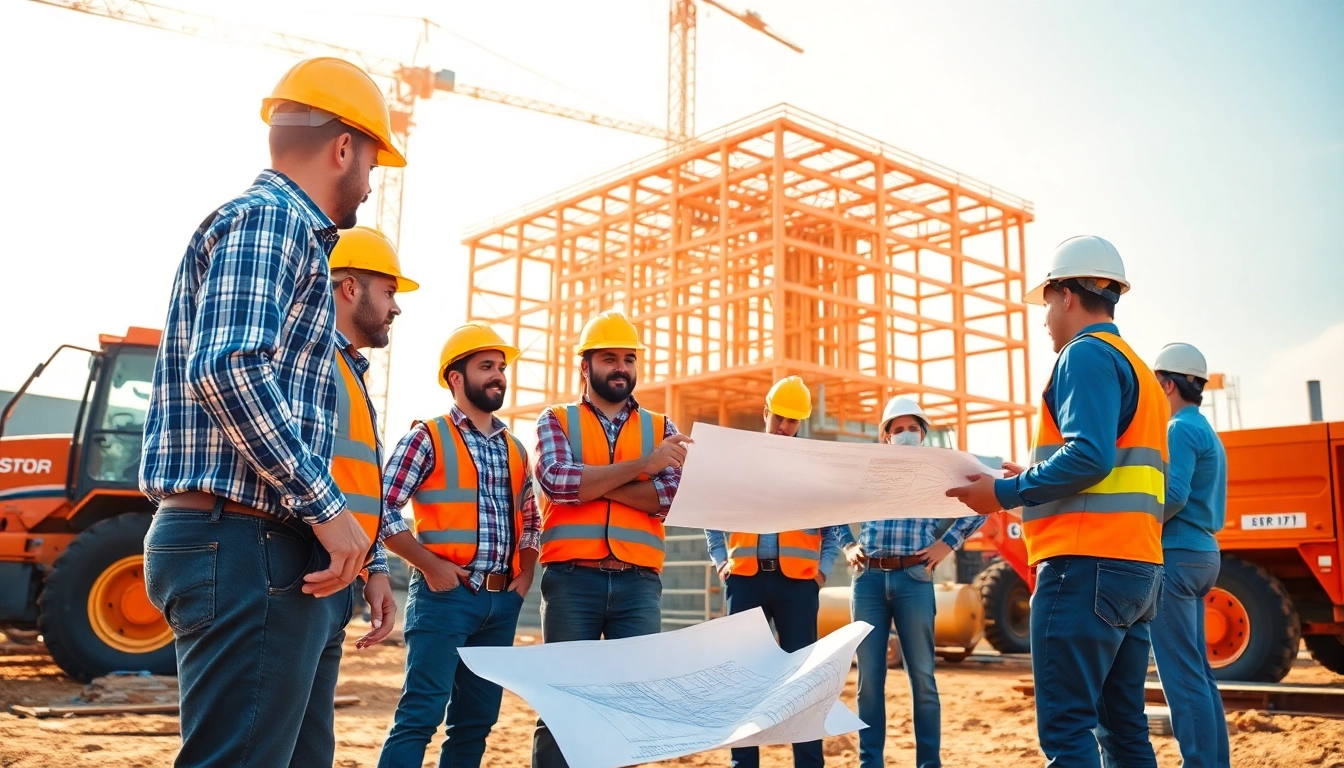
Engaging in initial discussions with key stakeholders—such as architects, engineers, and community representatives—will help identify potential challenges and areas of innovation. Moreover, establishing a comprehensive timeline that covers each phase of the project allows for better monitoring and alignment of expectations.
Permitting and Legal Considerations
Permitting is a critical aspect of any construction project in Austin. The local government has stringent regulations ensuring that construction projects comply with safety standards and zoning laws. Navigating these requirements can be complex, and thus it is recommended to consult with legal experts or experienced contractors familiar with local laws.
Key permits often include building permits, environmental permits, and occupancy permits. Delays in obtaining these can significantly impact a project’s timeline, underscoring the need for early and organized permit applications.
Budgeting for Your Austin Construction
Establishing a budget is paramount to the success of any construction project. A comprehensive budget not only allocates resources effectively but also prepares stakeholders for potential overruns. Begin by compiling estimates for labor, materials, permits, and other associated costs.
It’s also advisable to allocate a contingency fund, typically 10% to 20% of the total projected expenses, to accommodate unexpected costs that may arise during construction. Monitoring expenditures consistently throughout the project can help ensure that the budget remains intact.
Steps in the Austin Construction Process
The construction process in Austin follows a structured sequence designed to promote efficiency, compliance, and quality. Understanding each phase and its components is essential for successful project management.
Initial Consultation and Design Phase
The journey of a construction project begins with an initial consultation along with a detailed design phase. During this stage, stakeholders articulate their vision, and professional teams translate this vision into actionable designs and blueprints. Collaborative discussions among architects, interior designers, and engineers foster creativity and technical feasibility.
It’s important to engage with community stakeholders during this phase to address any concerns or suggestions. This collaboration not only enhances acceptance but often leads to innovative design solutions that reflect community values.
Groundbreaking and Development Stage
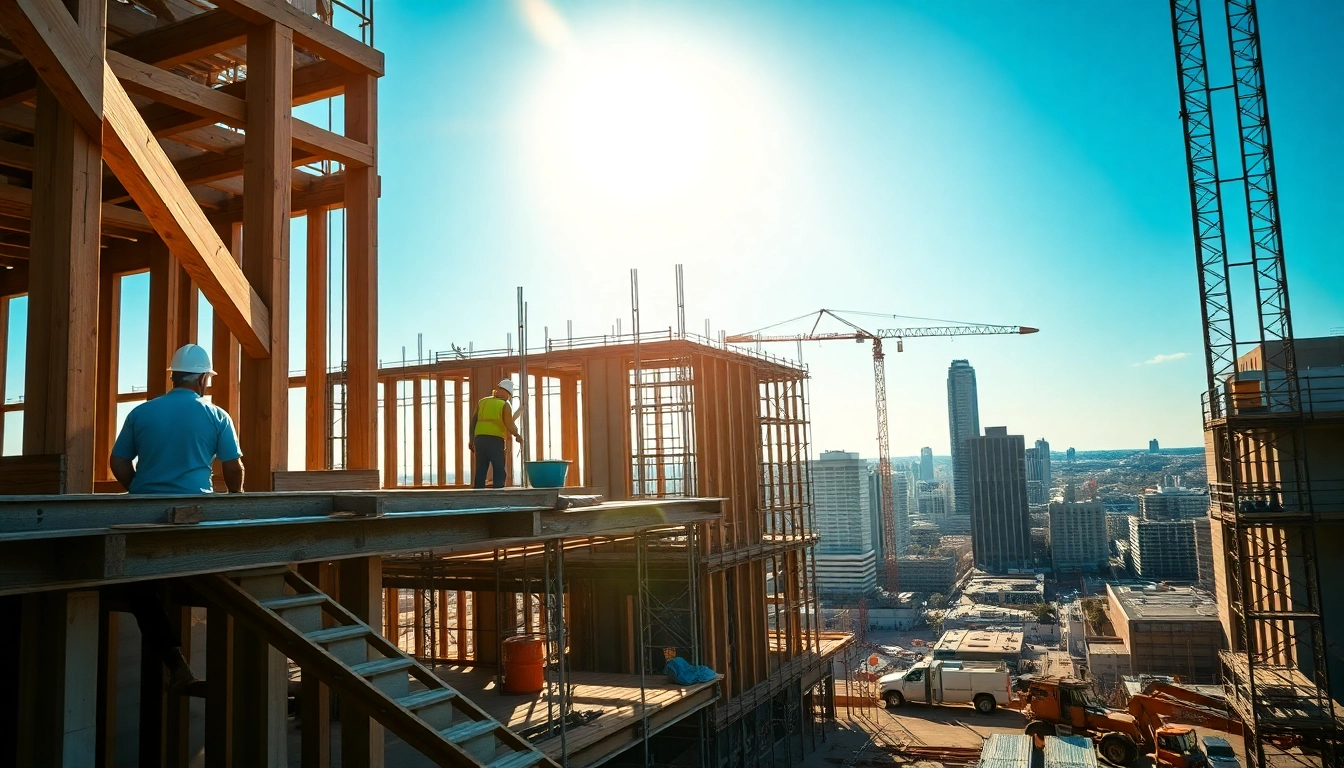
Groundbreaking marks the official start of construction. This monumental day often garners community attention, celebrating the progress to come. The development stage involves clearing the land, laying foundational frameworks, and erecting the structure itself. Close attention should be paid to safety protocols and project timelines during this critical phase.
Regular progress meetings help keep the project on track, allowing stakeholders to address any emerging issues promptly. Utilizing project management software can enhance transparency, as it enables all parties to track milestones and allocations in real-time.
Final Inspection and Project Handover
The final inspection is the culmination of the construction process, where all aspects of the project are evaluated against codes and regulations to ensure compliance. This stage often involves a thorough review, ensuring that the building meets established standards and is safe for occupancy.
After passing inspection, the project officially transitions to the client through a formal handover process. This includes providing documentation such as maintenance manuals and warranty information, along with discussions regarding ongoing support and service expectations.
Innovative Technologies in Austin Construction
The infusion of technology into construction practices is reshaping the landscape of Austin construction. Various technological innovations enhance productivity, safety, and sustainability. The following are several notable advancements currently influencing the sector.
Building Information Modeling (BIM) Implementations
BIM is revolutionizing the construction and design process. By creating detailed 3D models of projects, stakeholders can visualize the finished product before construction begins. This foresight enables teams to identify and rectify potential issues early in the project lifecycle, saving time and minimizing costs.
BIM also facilitates collaboration across different disciplines, with architects, engineers, and contractors able to access a centralized model. This shared understanding of the project can significantly reduce conflicts and streamline decision-making throughout the construction process.
Use of Sustainable Materials
The sustainability movement has led to heightened demand for eco-friendly building materials. From recycled steel to bamboo flooring, the choice of materials can dramatically affect a building’s environmental impact. Developers are increasingly integrating sustainable options into their projects to support both ecological goals and regulatory compliance.
Additionally, manufacturers are innovating with materials that enhance energy efficiency, such as high-performance insulation and solar roof tiles. These developments not only reduce a building’s carbon footprint but also lead to long-term cost savings for owners.
Adapting to Smart Building Technologies
Smart building technologies are emerging as pivotal elements in modern construction practices. Equipping buildings with smart systems enables enhanced monitoring and management of essential functions, such as heating, lighting, and security.
Utilizing IoT devices allows property owners to collect data and optimize operations, making buildings more responsive and efficient. In an era where energy costs are rising, the adoption of such technology can lead to significant savings while promoting a sustainable future.
Evaluating Austin Construction Outcomes
Post-construction evaluation is crucial for determining the success of a project and identifying areas for future improvement. By analyzing various performance metrics, stakeholders can gather insights that inform subsequent projects.
Performance Metrics for Construction Projects
Establishing key performance indicators (KPIs) is essential for assessing project success. Common KPIs include adherence to budget, on-time delivery, quality of work, and stakeholder satisfaction. By tracking these metrics, teams can identify whether they achieved their initial objectives and where adjustments may be necessary in future projects.
Another imperative metric is sustainability performance; assessing energy efficiency and environmental impact highlights the effectiveness of sustainable practices employed during construction. Tracking these indicators over time helps improve planning and execution in future projects.
Client Satisfaction and Feedback Mechanisms
Collecting feedback from clients and end-users plays a pivotal role in evaluating project success. Satisfaction surveys can offer valuable insights into the quality of work, communication, and overall experience throughout the construction process. Understanding client perspectives can guide adjustments in practices and enhance future customer interactions.
Future Outlook for Austin Construction Industry
Looking ahead, the future of Austin’s construction industry appears bright, marked by continuous evolution. As the city experiences ongoing growth and urbanization, the demand for innovative, sustainable solutions is likely to rise. With a focus on smart technologies and green practices, the sector is well-positioned to adapt to emerging challenges and trends.
Furthermore, as collaboration and transparency become increasingly prioritized, the industry will likely see further integration of technology to facilitate these objectives. The ongoing development of skilled workforce resources will also be vital in driving future success, as investment in training and education helps to cultivate talent within this vital field.