
What is Drayage? Definition and Overview
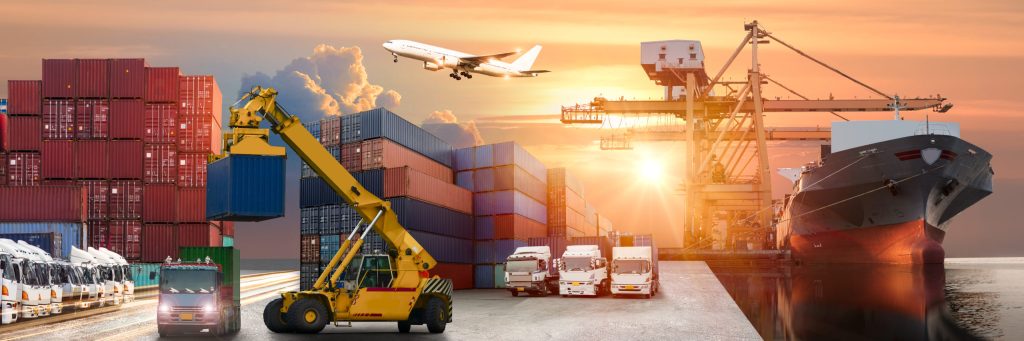
Drayage is a pivotal component of the freight transportation industry, serving as the crucial link that facilitates the movement of shipping containers over short distances, typically a few miles to 50 miles. This process often occurs between various points within a supply chain, such as from ports to warehouses or between intermodal facilities. It’s important to note that drayage makes up a portion of a longer transportation journey, which may include rail, ocean, or air transportation. Understanding the nuances of drayage is essential for those involved in logistics and supply chain management. For a broader look at how drayage fits within the global supply network, you might explore Drayage.
Defining Drayage and Its Importance
At its core, drayage refers to the transportation of cargo in the shipping industry, specifically covering short distances where a truck is utilized to move shipping containers. This process is vital, as it plays a significant role in ensuring cargo reaches its final destination. The effectiveness of drayage operations impacts the efficiency of the entire supply chain, addressing challenges like delivery timelines and cost efficiencies.
How Drayage Fits Into the Supply Chain
Drayage acts as a crucial conduit within the supply chain, bridging the gap between different modes of transportation. For instance, a shipping container that arrives at a port via cargo ship may require drayage to transport it to a nearby distribution center or rail hub. This duality not only highlights the importance of drayage in linking various transportation modes—such as trucking and rail—but also demonstrates the complexity of logistics operations; inefficiencies in drayage can lead to delays that ripple throughout the supply chain.
Common Types of Drayage Services
Understanding the different types of drayage services available is essential for optimizing logistics operations. Here are the most common types:
- Port Drayage: Involves hauling a container to and from a port.
- Intermodal Drayage: Connects multiple transportation modes, such as air and ground.
- Intra-Carrier Drayage: The movement of goods within the same transportation company.
- Transloading Drayage: Transfer of cargo from one mode of transport to another at a terminal.
- Long-Distance Drayage: Although still short in the grand scheme, this may cover distances greater than the typical drayage.
The Role of Drayage in Freight Transportation
Understanding Short-Distance Freight Movement
Short-distance freight movement is a critical area of focus for logistics professionals. In drayage, this typically includes transporting loaded containers from ports to warehouses, intermodal terminals, or other transit locations. The efficiency of these short movements can significantly impact inventory levels, order fulfillment rates, and overall supply chain responsiveness.
Drayage vs. Other Transportation Methods
While drayage is an integral part of freight transportation, it is distinct from other shipping methods such as long-haul trucking, rail transport, or ocean freight. Each method serves specific purposes within the logistics framework. For example, while drayage focuses on short, localized transport, long-haul trucking may cover greater distances across states or countries. Furthermore, rail transport offers a more cost-effective solution for shipping large volumes of goods over longer distances, leaving drayage essential for the final leg of the journey.
Benefits of Efficient Drayage Operations
Efficient drayage operations can yield numerous benefits for businesses, including:
- Improved Delivery Times: Speedy drayage ensures that cargo moves quickly from ports to end destinations, which is critical in today’s fast-paced market.
- Cost Savings: Reducing delays and inefficiencies lowers operational costs.
- Enhanced Flexibility: Drayage allows for adjustments in logistics strategies based on changes in demand.
- Streamlined Operations: Efficient drayage contributes to a more agile supply chain.
Challenges Faced by Drayage Providers
Managing Costs in Drayage Services
Cost management is a pressing issue in the drayage sector. A variety of factors can drive up expenses, including fuel prices, labor costs, maintenance of equipment, and unforeseen delays. To combat these challenges, drayage providers must adopt strategies that focus on efficiency, such as route optimization and improved asset utilization.
Navigating Regulatory Requirements
Drayage providers often face stringent regulatory guidelines that necessitate compliance with safety, environmental, and operational standards. Regulatory changes can vary widely between regions, making it crucial for providers to stay informed and proactive in their compliance efforts. Failure to adhere to regulations can result in costly fines and reputational damage.
Adapting to Market Fluctuations
The drayage industry is impacted by market fluctuations, influenced by factors such as seasonal demand, economic trends, and global shipping conditions. Providers must remain adaptable, adjusting operations to meet changing market conditions. Preparedness and flexibility are key in maintaining service reliability.
Best Practices for Optimizing Drayage
Strategies to Improve Efficiency
To optimize drayage operations, logistics managers should consider implementing several best practices:
- Investing in Technology: Utilizing routing software, load boards, and telematics can enhance visibility and efficiency.
- Enhancing Communication: Building strong relationships with carriers and customers can streamline operations.
- Driver Training: Ensuring that drivers are well-trained can reduce accidents and improve turnaround times.
- Implementing Sustainability Practices: Exploring eco-friendly options can enhance corporate social responsibility.
Technology Integration in Drayage Operations
Technology plays a crucial role in modern drayage operations. Implementing advanced software solutions allows for real-time tracking of shipments, enhancing both visibility and accountability. Furthermore, the use of Artificial Intelligence in route planning can optimize journeys, reducing delays and operational costs. Automation of certain processes, such as invoicing and dispatching, can also streamline operations and improve overall efficiency.
Case Studies of Successful Drayage Practices
Exploring case studies of successful drayage practices can provide insights into effective strategies. Consider XYZ Logistics, which invested in GPS tracking and automated load-matching systems, resulting in a 30% reduction in fuel costs and significant improvements in delivery times. Another case involves ABC Intermodal Transport, which established a cloud-based communication platform, allowing for seamless interaction between drivers, dispatchers, and clients, thereby improving service reliability.
Future Trends in Drayage Services
The Impact of E-Commerce on Drayage
The rise of e-commerce has transformed the drayage landscape. As consumer expectations shift towards rapid delivery, drayage providers must adapt to meet these demands. Efficient drayage operations can enhance order fulfillment and responsiveness, which are crucial in a competitive online retail environment. The focus on last-mile delivery continues to grow, making drayage a vital part of the logistics puzzle for e-commerce businesses.
Environmental Considerations in Drayage
As sustainability becomes a priority for many businesses, the drayage industry must address environmental concerns. Implementing eco-friendly practices, such as using low-emission vehicles or optimizing routes to minimize fuel consumption, can significantly reduce the industry’s carbon footprint. Additionally, adopting a circular economy approach can increase operational efficiency while positively impacting the environment.
Innovations Shaping the Future of Drayage
Looking ahead, several innovations are poised to shape the future of drayage services. Autonomous trucks may revolutionize the freight transportation landscape by reducing labor costs and increasing efficiency. Similarly, the integration of blockchain technology can enhance transparency in transactions, further streamlining operations. By staying abreast of these trends and embracing innovation, drayage providers can position themselves for success in a rapidly evolving logistics landscape.