
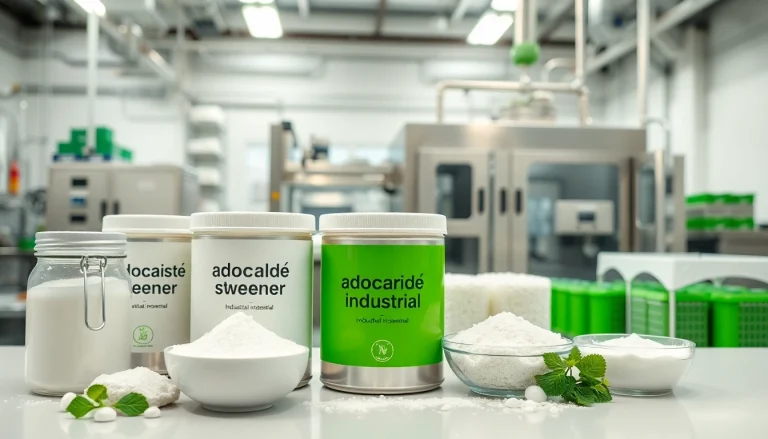
Understanding Sweetener Suppliers
What is a Sweetener Supplier?
A sweetener supplier is an entity that specializes in providing various types of sweetening agents to businesses within the food and beverage industry. These suppliers offer a diverse range of products, including natural sweeteners like honey and stevia, as well as artificial sweeteners such as aspartame and sucralose. Their role extends beyond mere ingredient supply; they serve as partners in innovation, helping manufacturers meet changing consumer preferences through customized sweetening solutions.
The Role of Sweetener Suppliers in Food Production
Sweetener suppliers play a critical role in food production by ensuring that manufacturers have consistent access to high-quality sweetening agents. They also provide valuable insights into market trends and can adjust their offerings based on consumer demand for health-oriented products, such as low-calorie and low-sugar options. Additionally, these suppliers often assist in formulating products by suggesting sweeteners that complement specific flavors or enhance product stability.
Types of Sweeteners Provided by Suppliers
Sweeteners can be categorized into several types, with each serving a different purpose in food production:
- Natural Sweeteners: Derived from natural sources, these include honey, maple syrup, agave nectar, and stevia. They are often favored for their perceived health benefits.
- Artificial Sweeteners: Synthetic compounds, such as aspartame and sucralose, are designed to provide sweetness without the calories associated with sugar.
- Sugar Alcohols: Products like xylitol and erythritol fall into this category, offering sweetness with fewer calories than traditional sugar and minimal impact on blood glucose levels.
- Non-nutritive Sweeteners: These include high-intensity sweeteners that are much sweeter than sugar and are available in smaller quantities, often used in diet foods and beverages.
- Functional Sweeteners: They include ingredients that offer additional health benefits beyond sweetness, such as prebiotic fibers that support gut health.
Factors to Consider When Selecting a Sweetener Supplier
Quality and Variety of Sweeteners
When selecting a sweetener supplier, it’s essential to assess the quality and variety of their offerings. High-quality sweeteners can significantly impact the final product’s taste, stability, and health benefits. Look for suppliers that provide detailed specifications for their products, including purity levels and sourcing practices. Additionally, consider suppliers that offer a wide range of sweetening options, which allows for greater flexibility in product development and formulation.
Pricing Models and Bulk Buying Options
Pricing is always a key consideration for businesses. Many sweetener suppliers provide various pricing models, including bulk purchasing options that can lower per-unit costs. Understanding the total cost of ownership is vital; look for suppliers that provide transparent pricing structures, including delivery charges and any potential additional fees. Negotiating contracts to secure favorable pricing based on projected volumes can significantly impact profitability.
Supplier Certifications and Compliance
Compliance with health and safety regulations is paramount in the food industry. When choosing a sweetener supplier, ensure they hold necessary certifications and adhere to industry regulations regarding food safety, such as FDA compliance or ISO certification. Such certifications can serve as indicators of quality control practices within the supplier’s operations and can reassure companies about the safety and reliability of the supplied sweeteners.
Benefits of Working with a Reliable Sweetener Supplier
Consistency in Product Delivery
One of the primary benefits of partnering with a reliable sweetener supplier is the assurance of consistent product delivery. This reliability allows food manufacturers to maintain steady production lines without the risk of delays due to ingredient shortages. A dependable supplier can also offer flexible ordering options to accommodate volume fluctuations, which is especially crucial during seasonal or promotional periods.
Access to Industry Insights and Trends
A reputable sweetener supplier often has their finger on the pulse of industry trends. By collaborating closely with these suppliers, businesses can gain insights into emerging trends, such as increasing demand for natural sweeteners and the consumer shift toward clean-label products. This information can guide product development and marketing strategies, ensuring that companies remain competitive in an evolving marketplace.
Custom Solutions for Unique Recipes
Working with a sweetener supplier can provide access to custom formulations tailored to specific product requirements. This service is invaluable for manufacturers creating new recipes or looking to reformulate existing products. Suppliers can recommend suitable sweetening agents based on flavor profiles, texture needs, and nutritional targets, ensuring the final product aligns with the manufacturer’s vision.
Common Challenges with Sweetener Suppliers
Managing Supply Chain Issues
Supply chain disruptions can pose significant challenges for businesses relying on sweetener suppliers. Fluctuating raw material availability, transportation delays, and global trade issues can impact delivery times and product quality. Establishing strong relationships with suppliers and having contingency plans in place can help mitigate risks associated with supply chain disruptions, ensuring that production processes remain seamless.
Dealing with Price Fluctuations
Price volatility in sweeteners, influenced by factors such as crop yields, market demand, and international trade policies, can complicate budgeting and financial planning for businesses. Engaging with suppliers to establish long-term contracts or price-lock agreements can provide stability and predictability in costs, allowing companies to plan their pricing strategies more effectively.
Meeting Consumer Demand for Variety
Consumer preferences are constantly evolving, with a notable increase in the demand for diverse sweetener options that cater to various dietary needs. Suppliers must stay ahead of these trends by expanding their product lines to include organic, non-GMO, and specialty sweeteners. Businesses benefit from working with suppliers that are responsive to market changes and can provide innovative solutions that align with consumer desires.
Best Practices for Collaborating with Sweetener Suppliers
Building Strong Relationships
Building a strong relationship with sweetener suppliers is critical for long-term success. Open and transparent communication fosters trust and can lead to better service, access to product innovations, and favorable pricing. Regularly engaging with suppliers about your business needs and changes in market trends can enhance collaboration and strengthen partnership dynamics.
Regular Communication and Feedback
Maintaining regular communication with suppliers is essential for managing expectations and addressing potential issues before they escalate. Implementing feedback loops can help suppliers understand how their products perform in your applications, allowing for continuous improvement and adaptation based on your operational experiences.
Evaluating Supplier Performance
Regular evaluation of supplier performance against pre-defined metrics such as product quality, delivery times, and customer service can inform decision-making regarding long-term partnerships. By establishing key performance indicators (KPIs), businesses can systematically assess supplier contributions and ensure that they meet evolving operational requirements and customer demands.
FAQs about Sweetener Suppliers
1. What should I look for in a sweetener supplier?
When selecting a sweetener supplier, consider their product quality, variety, certifications, pricing models, and delivery reliability.
2. How do sweetener suppliers support food manufacturers?
Sweetener suppliers provide access to ingredients, industry insights, and custom solutions that help food manufacturers meet consumer demands and enhance product offerings.
3. What are the benefits of bulk buying sweeteners?
Bulk buying sweeteners often results in reduced per-unit costs, improved inventory management, and ensured supply during peak production periods.
4. How can I ensure consistent delivery from my supplier?
Establishing a strong partnership through regular communication, monitoring supplier performance, and signing long-term contracts can help ensure consistent delivery from your supplier.
5. What challenges do food manufacturers face with sweetener suppliers?
Challenges include supply chain issues, price fluctuations, and adapting to changing consumer preferences for sweetener varieties, which require proactive management strategies.