
 Business and Consumer Services
5 Proven Soft Wash Techniques for Effective Home Exterior…
Understanding Soft Washing: The Science Behind Effective Cleaning
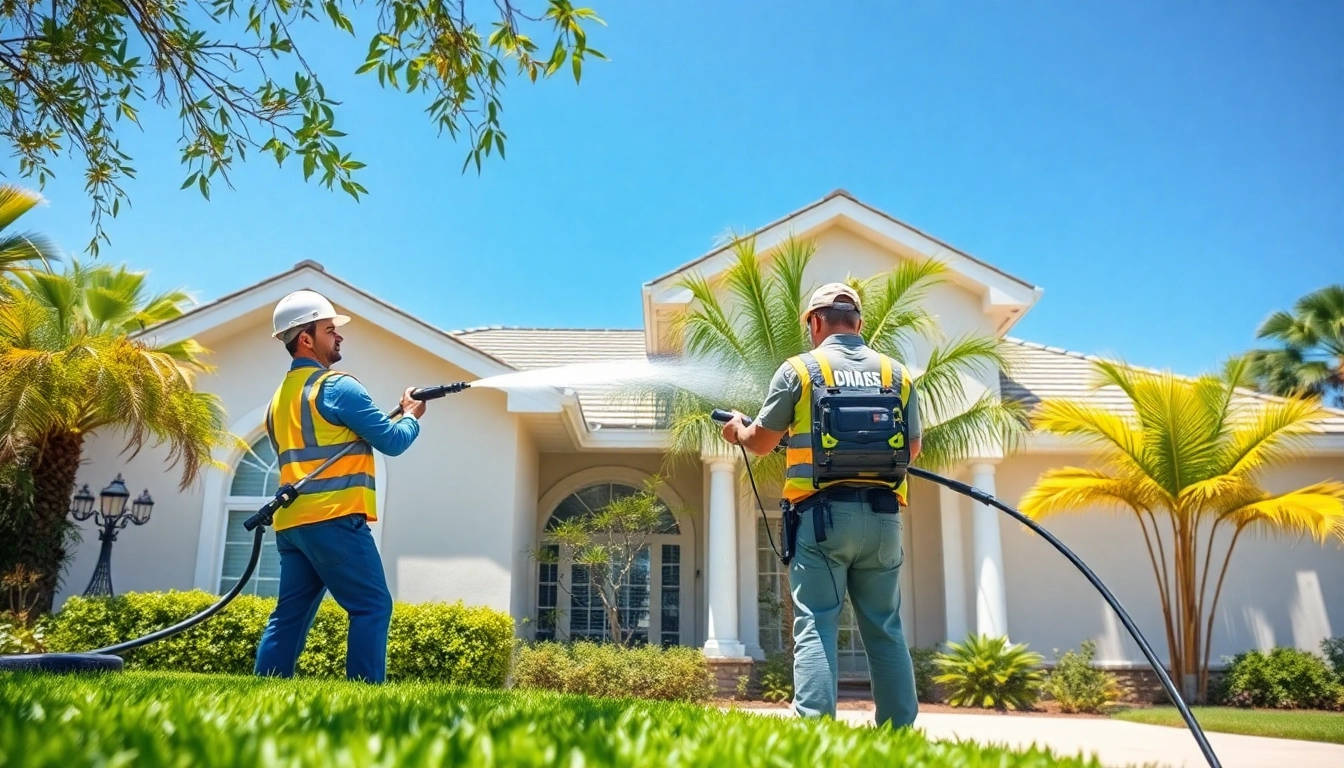
In the world of exterior cleaning, soft washing is gaining attention as a preferred method for preserving the aesthetic and structural integrity of various surfaces. Unlike traditional pressure washing, which utilizes high-pressure water streams, soft washing employs a low-pressure approach combined with biodegradable cleaning agents to effectively eliminate dirt, algae, mold, and other contaminants. This method is particularly beneficial for delicate surfaces such as roofs, siding, and painted surfaces, where high pressure can cause damage. When exploring options, soft wash techniques often emerge as the safest and most effective cleaning solution for homeowners and business owners alike. Understanding how and why this method works can help you realize the value it brings to your property.
What is Soft Washing?
Soft washing is a cleaning method that utilizes a low-pressure sprayer to apply a special mixture of water and eco-friendly cleaning solutions. This technique is designed to clean surfaces without the risk of damage associated with high-pressure washing. The cleaning solution typically contains biodegradable agents that are effective in breaking down stains and contaminants on various surfaces. By minimizing water pressure while maximizing cleaning power, soft washing provides a thorough cleanse that is safe for your home’s exterior.
How Soft Washing Differs from Traditional Pressure Washing
The primary distinction between soft washing and traditional pressure washing lies in the amount of pressure utilized and the methods of cleaning. Traditional pressure washing uses high-pressure water jets to remove dirt and grime, which can sometimes lead to damage on sensitive surfaces. In contrast, soft washing employs lower pressure, allowing the cleaning solution to saturate the surface effectively before rinsing it away. This makes it an excellent choice for materials such as:
- Roof shingles
- Vinyl siding
- Wood decks
- Stucco surfaces
By using a gentler technique, soft washing significantly reduces the risk of peeling paint, dented siding, or damaged shingles, ensuring that your property remains in excellent condition.
Benefits of Using Soft Wash Techniques for Homeowners
Opting for soft washing comes with numerous advantages, particularly for homeowners who prioritize the longevity and appearance of their property. Some of the key benefits include:
- Preservation of Surfaces: Soft washing protects delicate surfaces from damage, prolonging their lifespan.
- Effective Mold and Mildew Removal: Special solutions used in soft washing effectively eliminate harmful mold and mildew that can cause health issues.
- Eco-Friendly Approach: Biodegradable cleaning solutions reduce environmental impact, making it a responsible choice.
- Improved Curb Appeal: A clean exterior enhances the aesthetic appeal of your home, potentially increasing its value.
Key Components of a Successful Soft Wash System
Essential Equipment for Soft Washing
To achieve optimal results with soft washing, it’s essential to have the right equipment. This includes:
- Soft Wash System: Typically includes a low-pressure pump, hoses, and specialized nozzles designed for soft washing.
- Chemical Injection System: Allows for precise mixing and application of cleaning solutions.
- Protective Gear: Safety goggles, gloves, and other protective equipment to safeguard the technician.
Choosing the Right Cleaning Solutions and Chemicals
The effectiveness of a soft wash largely hinges on the choice of cleaning solutions. Homeowners should look for biodegradable options that are safe for pets and plants. Common active ingredients include:
- Sodium hypochlorite – effective for killing mold and mildew.
- Surfactants – help the solution adhere to surfaces and enhance cleaning efficiency.
- Water softeners – improve the effectiveness of the cleaning solution in hard water areas.
Safety Measures and Best Practices for Efficient Soft Washing
When implementing a soft wash system, safety is paramount. Here are some best practices:
- Always wear protective gear to prevent irritation from chemicals.
- Prepare the area by covering plants and outdoor furniture to shield them from runoff.
- Test the solution on a small, inconspicuous area before proceeding with full application.
Soft Washing for Various Surfaces: A Comprehensive Guide
Soft Washing for Roofs: Protecting Shingles and Tiles
Soft washing is particularly beneficial for roofs, as it prevents the degradation of shingles and tiles while effectively removing black streaks caused by algae. Applying a specialized roof cleaning solution can restore the appearance and extend the life of your roof.
Cleaning Siding: Techniques for Different Materials
Different materials require tailored soft washing techniques. For instance:
- Vinyl siding: Soft washing can remove dirt and mildew without damaging the finish.
- Wood siding: A gentle approach prevents water infiltration that can warp the wood.
Asphalt vs Concrete: Tailoring Soft Wash Approaches
When it comes to driveways, soft washing can effectively clean both asphalt and concrete. However, the cleaning solutions and application methods differ slightly:
- Asphalt: Require careful use of cleaning agents to avoid deterioration.
- Concrete: Can endure slightly higher pressure, but soft washing remains a safe choice to eliminate stains.
Common Challenges and Solutions in Soft Washing
Addressing Stubborn Stains and Algae Buildup
Stubborn stains may require a specialized solution or a longer dwell time to effectively break down the contaminants. In some cases, repeated application may be necessary for heavily soiled areas.
How to Handle Delicate Surfaces Safely
When dealing with delicate surfaces, one must always start with the lowest pressure setting and gradually increase if needed. Using soft wash nozzles helps minimize the risk of damage.
Common Misconceptions about Soft Washing
Many people confuse soft washing with traditional pressure washing, leading to misconceptions about its effectiveness. Understanding that soft washing is specifically designed to protect surfaces while cleaning can help dispel these myths.
Future Trends in Soft Washing for 2025 and Beyond
Innovative Products and Technologies on the Horizon
The soft washing industry is evolving, with new products and technologies emerging that enhance cleaning efficiency and safety. Innovations such as automated soft washing systems and advanced chemical formulations promise to refine the process even further.
Environmental Considerations for Eco-Friendly Soft Washing
As environmental regulations tighten, soft washing companies will increasingly turn to sustainable cleaning solutions. This trend not only appeals to eco-conscious consumers but also positions businesses favorably in a competitive market.
Expert Insights: Predictions for the Soft Washing Industry
Market analysts predict that the soft washing industry will continue to expand as homeowners recognize the long-term benefits of this cleaning method. Increased investment in training and education for technicians will also play a crucial role in maintaining quality service standards.