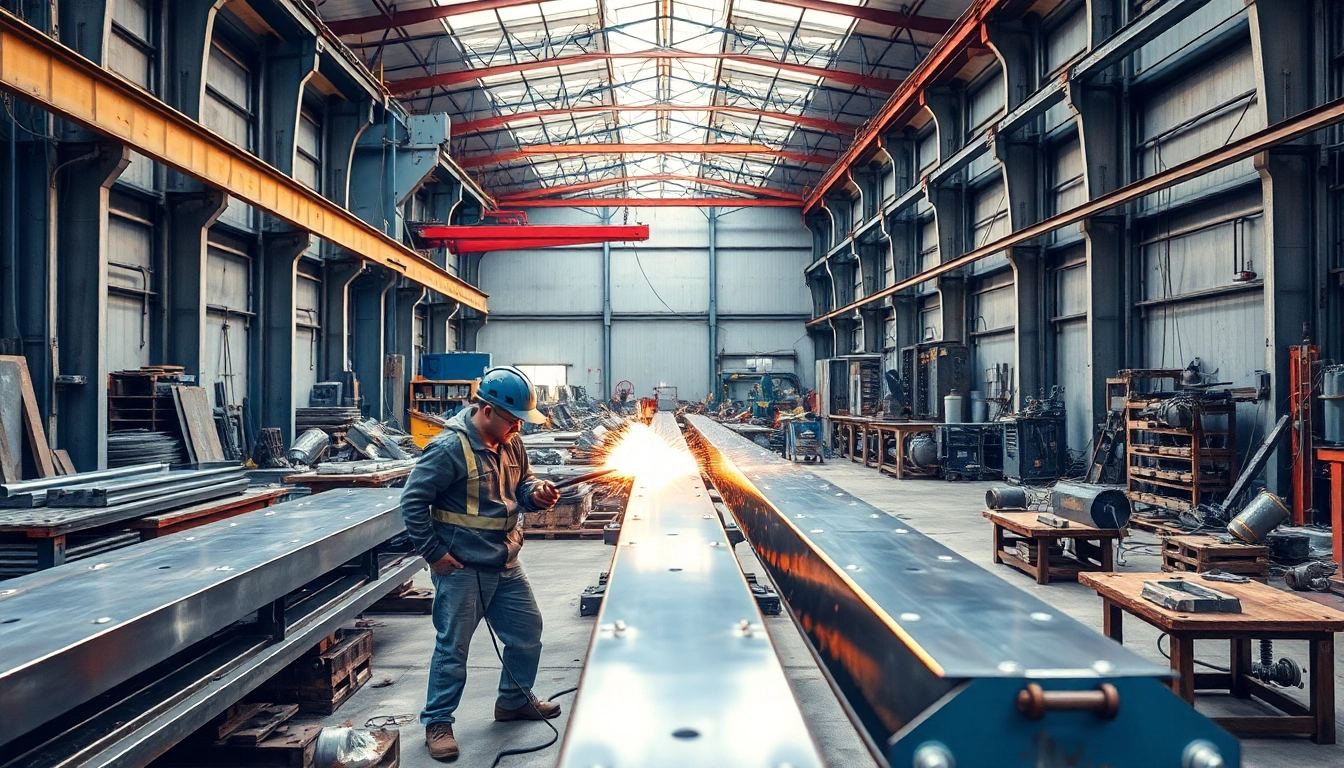
 Heavy Industry and Engineering
Your Reliable GRP Grating Supplier for Durable Solutions
Understanding GRP Grating and Its Benefits
What is GRP Grating?
GRP (Glass Reinforced Plastic) grating is a composite material made by combining fiberglass with a resin matrix. This innovative solution offers numerous advantages over traditional materials, such as steel or wood, making it a popular choice in various industries. GRP grating is created through two main methods: molded and pultruded, each offering distinct characteristics suited for different applications. The fiberglass reinforcement provides superior strength and durability while maintaining a lightweight profile, which is ideal for various environments.
Key Advantages of Using GRP Grating
- Lightweight and Easy to Handle: Unlike metal grating, GRP grating is significantly lighter, making installation simpler and faster.
- Corrosion Resistance: GRP grating is highly resistant to the corrosive effects of chemicals, seawater, and other harsh environments, extending its lifespan without the need for coatings.
- Slip Resistance: Most GRP grating products have a textured surface, providing superior slip resistance for safety in wet or oily environments.
- Low Maintenance: GRP grating is virtually maintenance-free, requiring no periodic painting or refinishing, which saves both time and costs.
- Cost-Effectiveness: Although the initial purchasing cost may be higher than metal, the long-term savings due to durability and maintenance make GRP grating an economical option.
Applications of GRP Grating in Industries
GRP grating is utilized across various sectors due to its adaptability and performance characteristics. Some common applications include:
- Marine Applications: Ideal for docks, walkways, and platforms where water exposure is frequent.
- Chemical Processing: Used in areas susceptible to chemical spills and exposure, where traditional materials would rapidly deteriorate.
- Food Processing: GRP grating is hygienic and can be easily cleaned, making it suitable for food production areas.
- Wastewater Treatment: Resistant to the corrosive substances found in wastewater facilities, ensuring longevity and reliability.
- Industrial Flooring: Provides a durable and safe solution for high-traffic areas in manufacturing operations.
Choosing the Right GRP Grating Supplier
Indicators of a Trustworthy Supplier
When selecting a GRP Grating Supplier, consider the following indicators:
- Industry Experience: Look for suppliers with a strong track record and extensive experience in supplying GRP products.
- Certification and Compliance: Ensure the supplier complies with industry regulations and standards, such as ISO certifications.
- Product Range: A reliable supplier should offer a range of GRP grating options to cater to various applications and specifications.
- Customer Support: Evaluate the levels of service offered, including technical support and responsiveness to inquiries.
Quality Assurance and Industry Standards
Quality assurance is vital when dealing with GRP products. Suppliers should adhere to strict quality control processes to ensure every batch of grating meets the necessary industry standards. Look for certifications such as ASTM standards for materials to ensure the strength and reliability of the grating provided.
Customer Reviews and Feedback
Conducting thorough research into customer reviews can provide valuable insights into the supplier’s reputation and product quality. Look for testimonials and case studies that highlight the supplier’s performance regarding delivery times, product durability, and after-sales support.
Installation and Maintenance of GRP Grating
Installation Best Practices
Installing GRP grating requires careful planning and execution. Here are some best practices to ensure a successful installation:
- Site Assessment: Conduct a thorough evaluation of the installation area, considering factors such as load requirements and environmental conditions.
- Correct Sizing: Ensure that the grating panels are cut to the correct sizes prior to installation to minimize on-site adjustments.
- Use Proper Supports: Install adequate support structures to maintain the integrity and performance of the grating, particularly in high-load environments.
- Follow Manufacturer Guidelines: Always adhere to manufacturer instructions for installation to ensure safety and performance.
Routine Maintenance Requirements
Although GRP grating is designed to be low maintenance, periodic inspections are recommended to ensure its integrity over time. Regular cleaning to remove debris and prevent the accumulation of contaminants is essential. Inspect for any signs of damage or wear, particularly in high-traffic areas.
Common Installation Mistakes to Avoid
- Neglecting Load Calculations: Failing to assess weight loads properly can lead to failures in grating performance.
- Poor Alignment: Improper alignment can cause uneven load distribution, leading to premature wear or breakage.
- Underestimating Expansion and Contraction: Not accounting for temperature variations can lead to warping and other performance issues.
Comparing GRP Grating with Alternative Materials
GRP versus Steel – A Performance Comparison
When comparing GRP grating to steel, key differences emerge in terms of performance. GRP is significantly lighter than steel, reducing installation labor and equipment costs. Steel, while robust, is more susceptible to rust and corrosion, often requiring protective coatings or paint, which increases maintenance costs. GRP offers non-conductive properties, making it safer for environments where electricity is a concern.
Cost Analysis: GRP Grating vs Traditional Options
In evaluating the overall cost of GRP grating versus traditional materials like steel or wood, initial purchase prices for GRP may be higher. However, considering longevity, reduced maintenance, and installation costs, GRP often proves to be the more economical choice in the long run. An adequate cost analysis should factor in the lifespan and potential for replacement of conventional materials.
Environmental Impact of Using GRP Grating
The environmental benefits of GRP grating are substantial. As a composite material, GRP extends the lifecycle of flooring applications, reducing waste. Additionally, its resistance to corrosion minimizes the environmental impact associated with chemical runoff from traditional metal materials. Furthermore, manufacturing processes of GRP generally have a lower carbon footprint compared to those of metal or wood products.
FAQs About GRP Grating Suppliers
What types of GRP grating products do suppliers offer?
Suppliers typically offer a range of products, including molded and pultruded grating, stair treads, and specialty items tailored for specific applications.
How can I determine the load capacity of GRP grating?
Load capacity can be determined based on the grating’s specifications, including panel thickness and bar spacing. Always consult supplier guidelines or engineering documentation.
What are the advantages of using GRP grating outdoors?
GRP grating is UV resistant, lightweight, and resistant to corrosion, making it perfect for outdoor applications where exposure to weather conditions is common.
Is GRP grating resistant to chemical exposure?
Yes, GRP grating is highly resistant to many chemicals, including acids and alkalis, making it suitable for environments within the chemical processing industry.
How do I maintain GRP grating for longevity?
Routine cleaning to remove debris, periodic inspections for wear and tear, and following the manufacturer’s maintenance guidelines will contribute to the longevity of GRP grating.