Understanding Florida Hurricane Damage: Causes and Effects
The Science Behind Hurricanes in Florida
Hurricanes are powerful storms that can cause Florida Hurricane Damage with devastating effects. Florida, with its unique geographical position, is particularly susceptible to these torrential systems. Hurricanes form over warm ocean waters and thrive primarily in the tropical regions of the Atlantic Basin. Their strength is categorized using the Saffir-Simpson scale, ranging from Category 1 (minimal damage potential) to Category 5 (catastrophic damage). Most hurricanes that approach Florida originate from the Atlantic Ocean or the Caribbean Sea, driven by warm water temperatures and favorable atmospheric conditions.
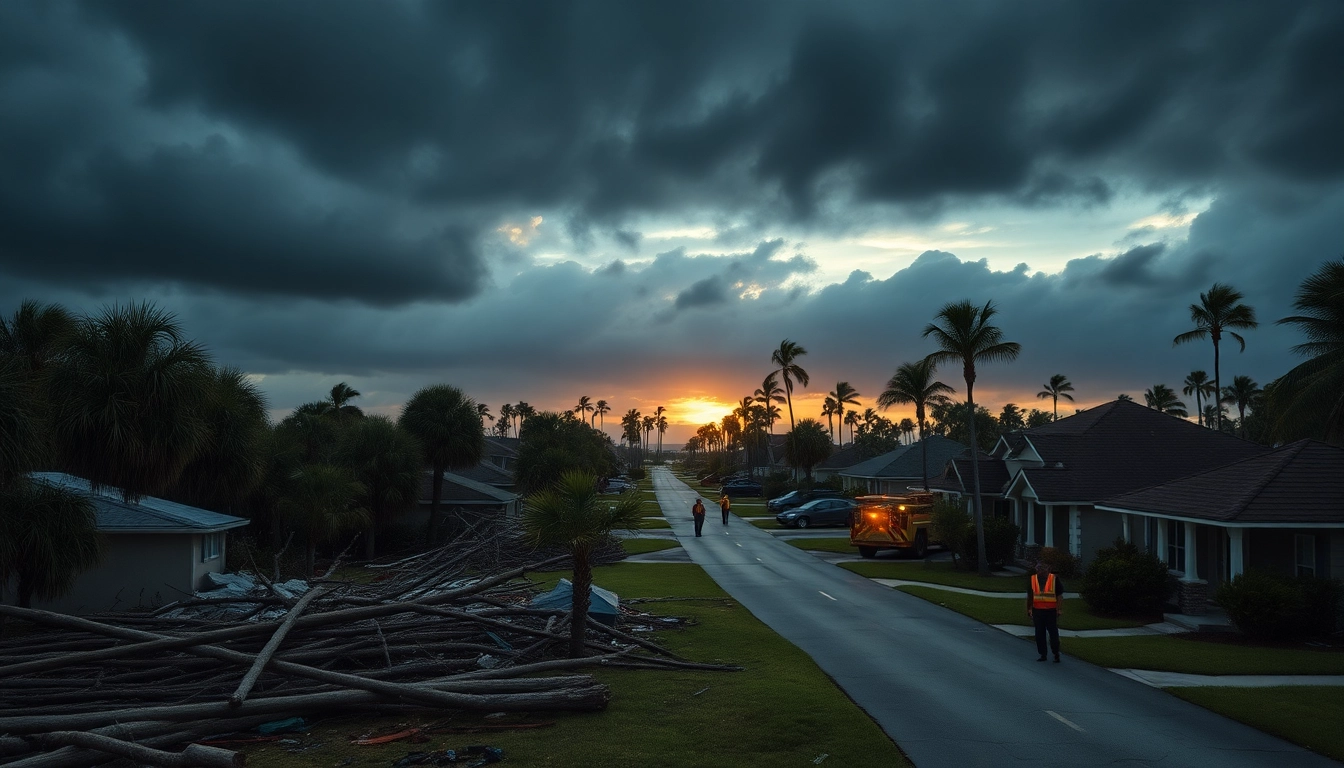
As they make landfall, these storms unleash severe winds, torrential rains, and storm surges. The winds can exceed speeds of 157 mph in a Category 5 hurricane, causing destruction of buildings and infrastructure. Furthermore, the coastal areas are often inundated by storm surges—massive waves driven by strong winds—resulting in flooding that can last for days and render entire communities uninhabitable.
Economic Impact of Florida Hurricane Damage on Local Communities
The economic implications of hurricane damage in Florida are profound and long-lasting. Each hurricane season poses a threat not only to residential structures but also to businesses and local economies. For instance, the impacts of hurricanes like Irma and Michael have led to widespread financial strain, costing billions in damages and recovery efforts. Businesses often suffer losses due to property damage, supply chain disruptions, and a decrease in consumer spending during recovery phases.
Local governments are burdened with the costs of emergency services, debris removal, and infrastructure repairs, often resorting to increased taxes or borrowing to fund recovery efforts. According to assessments following significant storms, the overall economic costs include not just immediate damage but also long-term ramifications such as population displacement and a decrease in tourism, which is a crucial industry in Florida. Furthermore, housing markets can be adversely affected, with property values fluctuating based on perceived risks of future hurricanes.
Environmental Consequences of Hurricanes in Florida
The ecological consequences of hurricanes are equally significant. Hurricanes can severely damage Florida’s delicate ecosystems, particularly its coastal and marine environments. The destruction of mangroves and coral reefs disrupts natural barriers, leading to increased erosion and a decline in biodiversity. Wetland flooding can release pollutants into coastal waters, affecting marine life and local fisheries.
Additionally, hurricanes increase the salinity of freshwater systems due to storm surges, impacting freshwater species and ecosystems. Recovery of these ecosystems is slow, often taking years to restore the natural balance. Protecting these habitats through effective environmental management and restoration projects is crucial to maintaining Florida's ecological health in the wake of hurricane threats.
Preparing for Hurricane Season: Minimizing Florida Hurricane Damage
Effective Home and Property Preparations
Preparation is key to minimizing hurricane damage to homes and properties. Florida residents should prioritize hardening their homes against potential storm impacts. Key steps include installing impact-resistant windows and doors, securing roof trusses, and utilizing hurricane shutters. Additionally, homeowners should conduct regular maintenance on their properties, including cleaning gutters, trimming trees, and reinforcing fences.
Creating a defensible space around the home can further mitigate damage from flying debris. Investing in flood insurance tailored to hurricane risks is also a critical measure that can provide financial security in the aftermath of a storm. Planning to elevate homes in flood-prone areas is another long-term strategy to ensure resilience against future hurricanes.
Community Planning and Resources for Hurricane Season
Community preparedness is equally important, as collective action can lead to safer environments. Local governments should develop comprehensive hurricane preparedness plans that include evacuation routes, emergency shelters, and resource distribution centers. Education campaigns can inform residents about necessary preparations and resources available during a hurricane.
Community resilience relies heavily on collaboration with non-profit organizations and local businesses to facilitate support during and after disasters. Initiatives such as neighborhood clean-up days prior to hurricane season can also foster community engagement while promoting safe practices.
Creating a Comprehensive Emergency Response Plan
An effective emergency response plan is essential for minimizing damage and ensuring safety during hurricane events. Families should outline specific steps to take before, during, and after a hurricane. This includes establishing communication plans, assembling emergency kits, and determining evacuation routes. Regularly reviewing and practicing these plans can enhance preparedness and reduce panic during actual storms.
Moreover, communities can benefit from technology, such as mobile applications designed to provide real-time updates on hurricane warnings, evacuation orders, and safety resources. Local officials should ensure that these tools are accessible and well-publicized, allowing residents to stay informed and prepared
Assessing Damage After a Hurricane: What to Do
Steps to Document Florida Hurricane Damage for Insurance Claims
After a hurricane, documenting damage is vital for insurance claims and future recovery. Property owners should take clear photos of all affected areas beforehand, ensuring that images capture damages from various angles. It is also crucial to compile an inventory of lost or damaged items, detailing their cost and condition prior to the storm.
Filing claims promptly can expedite the recovery process, so understanding the specific requirements of your insurance policy is essential. Contact your insurer as soon as possible to report damage and submit your documentation. Working with licensed adjusters can also simplify the claims process, ensuring that all damages are accounted for appropriately.
Engaging Professional Assessors and Contractors
In the aftermath of a hurricane, engaging professional assessors and contractors is often necessary to facilitate repairs. Licensed professionals can conduct thorough assessments of structural integrity, allowing homeowners to make informed decisions about restoration. It's essential to hire qualified contractors who are experienced in hurricane damage repairs and understand local building codes.
Moreover, consulting environmental assessors can be beneficial in identifying potential issues related to mold, air quality, and other safety hazards that may arise post-storm. Ensuring that all repairs are conducted to the highest standards will prevent future damage and ensure long-term resilience.
Understanding Federal and State Aid Programs Available
After a significant hurricane event, both federal and state aid programs may be available to assist affected communities. Families can access assistance through programs such as FEMA's Individual Assistance, which provides financial aid for temporary housing, home repairs, and other needs. It is crucial for residents to remain informed about available resources through local government announcements and community outreach initiatives.
State programs often include additional resources for businesses and improved infrastructure following a disaster. To navigate these offerings effectively, residents can utilize local advocacy groups and disaster relief organizations that can assist in the application process and help expedite access to necessary funds and resources.
Recovery and Rebuilding: Overcoming Florida Hurricane Damage
Best Practices for Homeowners in the Recovery Phase
The recovery phase following a hurricane can be overwhelming, but following best practices can facilitate the rebuilding process. Homeowners should place a strong emphasis on retaining receipts for all repairs and expenditures, as these may be necessary for insurance reimbursements. Additionally, maintaining open communication with contractors and inspecting their work can help ensure that repairs are done correctly.
Homeowners should also consider incorporating sustainable and resilient building practices into their repairs. This includes using materials that withstand impact and designing spaces that promote airflow to minimize mold growth. Ultimately, investing in resilience during recovery can save money and time in future hurricane seasons.
Collaborating with Local Governments and Organizations
Effective recovery often requires collaboration with local governments and organizations that specialize in disaster response. Community engagement during the recovery phase can promote resource sharing and effective coordination of services. Participating in local rebuilding efforts can also strengthen community bonds and ensure that neighborhoods are restored to higher standards.
Community leaders play a critical role in fostering partnerships among governmental agencies, non-profits, and businesses to create a comprehensive recovery strategy. Additionally, leveraging local volunteer groups can empower residents to actively participate in the reconstruction of their communities, promoting a sense of ownership and resilience.
Innovative Approaches to Resilient Urban Design
As Florida continues to grapple with hurricane threats, innovative urban design approaches can foster resilience. Concepts such as green infrastructure, which utilizes natural processes to manage stormwater, can alleviate flooding and promote ecological health. The development of mixed-use neighborhoods can enhance community cohesion and ensure easier access to resources in times of emergency.
Integrating technology into urban environments, such as smart sensors that monitor weather patterns and infrastructure status, can greatly enhance preparedness. For instance, cities can implement real-time monitoring systems to alert residents to imminent threats or infrastructure changes, promoting swift reactions to potential hurricane impacts. Urban planning that prioritizes accessibility and safety will create communities that are better equipped to withstand and recover from significant storm events.
Lessons Learned from Past Hurricanes in Florida
Historical Data and Case Studies on Florida Hurricane Damage
History offers valuable insights into hurricane impacts and recovery strategies. Analyzing case studies of significant storms, such as Hurricane Andrew in 1992 and Hurricane Irma in 2017, illustrates the spectrum of damage and responses observed in different regions of Florida. Hurricane Andrew, with its Category 5 landfall, triggered sweeping changes in building codes and emergency management protocols across the state.
Data collected from various hurricanes highlights common vulnerabilities and successful recovery initiatives, providing essential lessons for future preparedness. Each storm reinforces the necessity for continuous adaptation in building practices, urban planning, and community engagement strategies.
Community Initiatives that Foster Resilience
Post-hurricane recovery often showcases innovative community initiatives aimed at fostering resilience. For example, many neighborhoods establish community watch programs, emergency response teams, or preparedness workshops. These initiatives not only educate residents on how to prepare for storms but also build trust and cohesion among community members.
Participating in local initiatives, such as tree planting or ecological restoration projects, can help support community resilience goals and provide residents with experiences that cultivate environmental stewardship. Engaging in conversations around sustainable practices and disaster readiness will further empower citizens to take an active role in their community's resilience.
Preparing for Future Challenges: Climate Change Implications
As climate change continues to alter weather patterns and sea levels, Florida faces enhanced challenges regarding hurricane preparedness and management. Increased temperatures can lead to more intense storms, necessitating adaptive strategies that not only respond to immediate threats but also address long-term sustainability. Coastal communities should prioritize climate resilience assessments into their planning processes to minimize future risks associated with hurricanes.
Investments in renewable energy, advanced climate modeling, and sustainable land-use practices will bolster Florida's capacity to address rising hurricane risks. Creation of public-private partnerships promoting research and development in climate resiliency will further enhance state-wide preparedness and response capabilities.