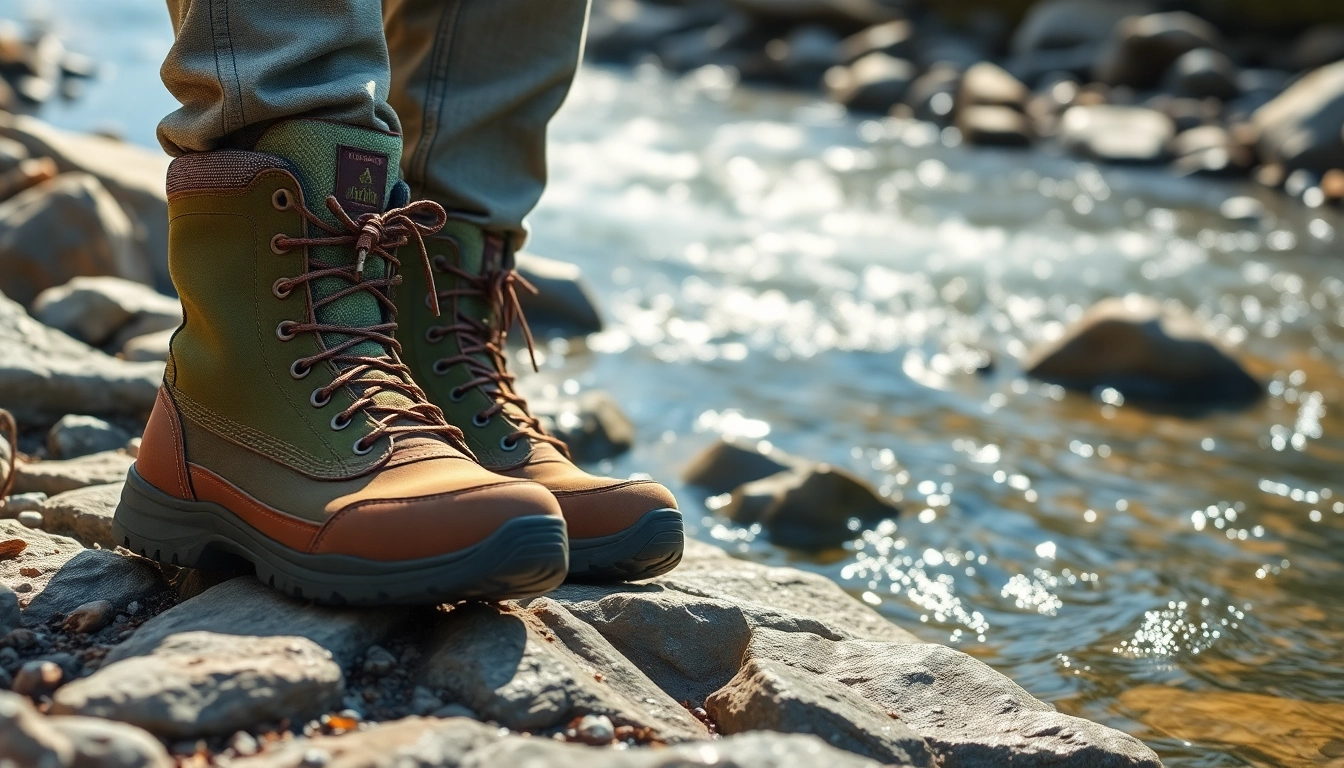
Understanding the Importance of Fly Fishing Boots
When it comes to fly fishing, having the right gear is crucial for a successful and enjoyable experience. One of the most important components of your fishing setup is your footwear. Fly fishing boots serve not only to keep your feet dry but also to ensure safety and comfort as you navigate uneven and slippery riverbeds.
Why Specialized Boots Matter
Regular hiking or work boots simply cannot provide the support and specialized features required for wet and slippery conditions. Fly fishing boots are designed to give you the traction you need on slick surfaces, protect your feet from sharp rocks, and offer insulation against colder water temperatures. They are a vital piece of equipment that can enhance your performance and enjoyment while fishing.
Key Features to Look For
There are several key features to keep in mind when choosing fly fishing boots:
- Traction: Look for boots with soles specifically designed for water use, often made from rubber or felt to grip slippery surfaces effectively.
- Waterproofing: Ensure your boots can keep your feet dry, whether through waterproof materials or sealed seams.
- Comfort and fit: A proper fit is essential for long days on the water, so ensure your boots offer the necessary support and comfort.
- Weight: Lightweight boots can reduce fatigue during long wading sessions.
- Drainage: Quick drainage systems help prevent weight from accumulating as water enters the boots.
Comparing Different Boot Types
Different types of fly fishing boots cater to various fishing environments:
- Wading Boots: Specifically designed for water activities, providing grip and support.
- Sneaker-style Boots: A blend of comfort and performance, suitable for less demanding conditions.
- Boots with Integrated Waders: A two-in-one design, offering a waterproof barrier without sacrificing mobility.
Best Materials for Fly Fishing Boots
Waterproof versus Water-resistant
The choice between waterproof and water-resistant boots can significantly affect your fishing experience. Waterproof materials ensure your feet remain dry under all conditions, while water-resistant materials may help protect against light splashes but can become saturated during prolonged exposure. Consider your fishing environment carefully when making this choice.
Durability and Comfort Materials
Fly fishing boots are commonly made from synthetic materials that provide lightweight comfort and durability. Neoprene and nylon are prevalent for their flexibility and resistance to abrasion. Look for boots with reinforced toe caps and heels for additional protection against wear and tear.
Choosing the Right Sole
The sole type can make a significant difference in traction and comfort:
- Felt Soles: Excellent for grip on slippery rocks and uneven riverbeds, making them a popular choice for many anglers.
- Rubber Soles: Versatile for different terrains but may not provide the same level of traction as felt in aquatic environments.
Top Brands in Fly Fishing Boots
Features of Leading Boot Brands
While many brands offer fly fishing boots, it’s essential to research specific features that enhance your fishing experience, such as customizable fit, replaceable soles, or additional insulation. Ensure to compare and find which brand aligns best with your fishing style and conditions.
Price Ranges and Value
Fly fishing boots are available at various price points, depending on features, materials, and brand reputation. Investing in a quality pair can yield long-term benefits in durability and comfort, making it worthwhile to compare different options based on your fishing needs and budget.
User Reviews and Ratings
Checking user reviews can provide valuable insights into specific models and brands. Feedback often highlights long-term quality, comfort during extended use, and performance in different water conditions, helping guide your purchase decisions.
Maintaining Your Fly Fishing Boots
Cleaning and Care Tips
Proper maintenance extends the life of your fly fishing boots significantly. Rinse them after each use to remove sediment and contaminants that can wear down materials. Allow them to dry completely, preferably in a well-ventilated area, to prevent mold and mildew growth.
How to Store Your Boots
Store your boots in a cool, dry place away from direct sunlight or heat sources. Avoid cramming them into tight spaces, which can warp the shape and affect performance. Use boot trees or crumpled newspaper to maintain their form while stored.
When to Replace Your Boots
Keep an eye out for signs of wear, such as cracks in the sole, loss of traction, or water leaks. Worn-out boots can compromise your safety and comfort while fishing, so don’t hesitate to replace them when necessary.
Frequently Asked Questions
What kind of boots do you wear when fly fishing?
Fly fishing boots are recommended for wading in rivers and streams, featuring felt or rubber soles for traction and waterproofing to keep feet dry.
What are the best fly fishing boots?
The best fly fishing boots vary by need; popular features include traction, comfort, and waterproofing. Explore various options to find the ideal fit for your fishing style.
What type of shoes for fly fishing?
Wading boots are the best choice for fly fishing. They offer necessary support and traction specific to wet environments, unlike conventional footwear.
How do I know my boot size for fly fishing?
Try boots with fishing socks on to ensure a proper fit. Ensure you have enough room for movement without being overly loose; comfort is key.
Can I use regular hiking boots for fly fishing?
While you can use hiking boots, they often lack the specific features designed for wet conditions, making them less effective than dedicated fly fishing boots.