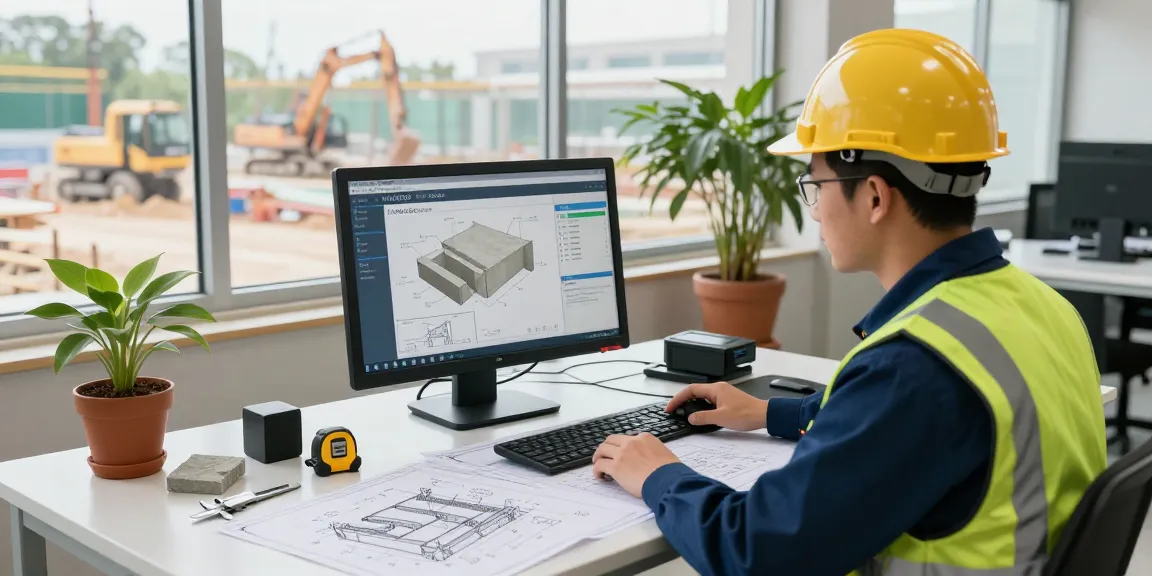
Introduction to Construction Management Training
In an industry as dynamic and complex as construction, construction management training plays a pivotal role in ensuring that projects are completed efficiently, on time, and within budget. As the construction landscape continues to evolve due to technological advancements and shifting industry standards, the importance of structured training cannot be overstated. This article delves into various aspects of construction management training, highlighting its significance, core skills developed, project planning fundamentals, advanced management techniques, effective program implementation, and future trends.
What is Construction Management Training?
Construction management training encompasses a structured educational curriculum designed to equip individuals with the necessary skills, knowledge, and competencies to lead and manage construction projects. This training often covers a wide spectrum of topics, including project planning, resource allocation, risk management, and the integration of modern technologies in construction practices. The primary goal is to prepare managers to effectively oversee project lifecycles, ensuring adherence to safety regulations, quality standards, and budget constraints.
Importance of Construction Management Training
The construction industry is increasingly competitive, making it crucial for professionals to differentiate themselves. Quality construction management training not only enhances individual capabilities but also fosters teamwork and collaboration among industry professionals. Additionally, organizations benefit from improved project outcomes, reduced risks, and the ability to adapt to changes swiftly. By investing in training, companies can nurture a skilled workforce that is well-prepared to meet future challenges.
Key Skills Developed in Training
Throughout construction management training, professionals gain a multitude of skills essential for success in the field:
- Leadership: Ability to lead diverse teams effectively.
- Communication: Skills to convey information clearly to various stakeholders.
- Negotiation: Techniques to resolve conflicts and reach beneficial agreements.
- Time Management: Proficiency in managing schedules and meeting deadlines.
- Financial Acumen: Understanding of budgeting, costing, and financial oversight.
Fundamentals of Project Planning in Construction
Understanding Project Lifecycle
Every construction project undergoes a lifecycle consisting of distinct phases: initiation, planning, execution, monitoring, and closure. Understanding this lifecycle is vital for effective management. During the initiation phase, key stakeholders define the project scope and objectives. The planning phase involves detailed scheduling and resource allocation, while execution focuses on carrying out the project plan. Monitoring ensures adherence to standards, and closure marks the completion, including performance assessments and documentation.
Setting Project Goals and Objectives
Clear, measurable goals and objectives are crucial for project success. These should align with stakeholder expectations and project deliverables. Using SMART criteria (Specific, Measurable, Achievable, Relevant, Time-bound) can enhance goal-setting effectiveness. For instance, rather than a vague goal like "improve safety," a SMART objective could be "reduce on-site accidents by 20% within one year." This specificity aids in tracking progress and evaluating outcomes.
Best Practices in Resource Allocation
Effective resource allocation ensures optimal utilization of labor, materials, and finances. It requires analysis of upcoming tasks, resource availability, and budget constraints. Utilizing project management software can facilitate tracking resource use and identifying shortages before they impact timelines. Additionally, regular team meetings can keep everyone aligned with resource needs, reinforcing accountability and communication among team members.
Advanced Techniques in Construction Management
Lean Construction Principles
Lean construction principles focus on maximizing value while minimizing waste. This approach encourages continuous improvement and efficiency throughout project lifecycles. By establishing a culture that values feedback and fosters innovation, teams can streamline processes to eliminate unnecessary steps, thereby saving time and resources. Techniques such as value stream mapping help identify areas for improvement.
Risk Management Strategies
Proactive risk management is essential for any construction project. It involves identifying potential risks, assessing their impact, and developing mitigation strategies. Regular risk assessments during the project lifecycle can help ensure that new risks are recognized and addressed promptly. By building a risk management plan that includes contingency resources, teams can navigate unexpected challenges more effectively.
Integration of Technology in Management
Technology's role in construction management continues to grow, enhancing project outcomes through tools like Building Information Modeling (BIM), project management software, and drones for site surveys. These technologies facilitate better visualization, improved communication, and data-driven decision-making. Training programs must incorporate these technological advancements, enabling managers to leverage tools that enhance efficiency and accuracy in project delivery.
Implementing Construction Management Training Programs
Designing Effective Curriculum
An effective curriculum for construction management training should balance theoretical knowledge with practical applications. It should encompass various modes of learning, including workshops, case studies, and real-world simulations. Engaging industry experts as instructors can also provide valuable insights and knowledge sharing, enhancing the learning experience and application in real-world scenarios.
Choosing the Right Training Providers
Selecting a reputable training provider is crucial for gaining quality education. Factors to consider include the provider's experience, curriculum relevance, and feedback from past trainees. Providers should also have a track record of adapting to industry changes to ensure the training reflects current practices. Consideration of local institutions may also enhance regional relevance and networking opportunities.
Measuring Training Effectiveness
Assessment of training outcomes is vital to ensure the efficacy of programs. Participants' feedback, assessments before and after training, and observable changes in workplace performance can provide insight into training success. Establishing key performance indicators (KPIs) allows organizations to track improvements in areas like project timelines, budget adherence, and quality of work resulting from the training invested.
Future Trends in Construction Management Training
Adapting to Industry Changes
The construction industry is in constant flux due to economic shifts, technological advancements, and regulatory changes. Construction management training programs must evolve concurrently to address these dynamic conditions. This could include offering courses on emerging technologies like virtual reality for training or updating modules to cover the latest industry standards and practices.
Role of Continuous Learning
The importance of continuous learning cannot be overstated in a rapidly changing field such as construction. Professionals must embrace lifelong learning through ongoing education, certifications, and participation in industry workshops. This commitment ensures that managers stay informed about the latest trends and strategies, positioning themselves as effective leaders who can navigate change confidently.
Career Advancement Opportunities
Completing construction management training opens various career advancement opportunities. With a comprehensive understanding of project management principles, professionals can pursue higher-level roles, such as project director or operations manager. Additionally, specialized training in areas like green building practices may offer unique opportunities as sustainability becomes increasingly vital in construction.
Frequently Asked Questions
1. What is the duration of construction management training?
The duration can vary widely, from a few weeks for short courses to several months for comprehensive programs, depending on the curriculum depth and provider.
2. Is prior experience in construction required for training?
While prior experience can be advantageous, many training programs welcome beginners and offer foundational knowledge in construction management concepts.
3. Are certifications available after completing training?
Yes, many training programs offer certifications that apply knowledge and skills gained, enhancing professional credentials in the field.
4. Can online training be as effective as in-person training?
Online training can be equally effective, especially if it includes interactive elements like discussions and simulations, accommodating diverse learning styles.
5. How can I find local training programs?
Researching local educational institutions, trade associations, or online platforms that specialize in construction management training can yield valuable options.