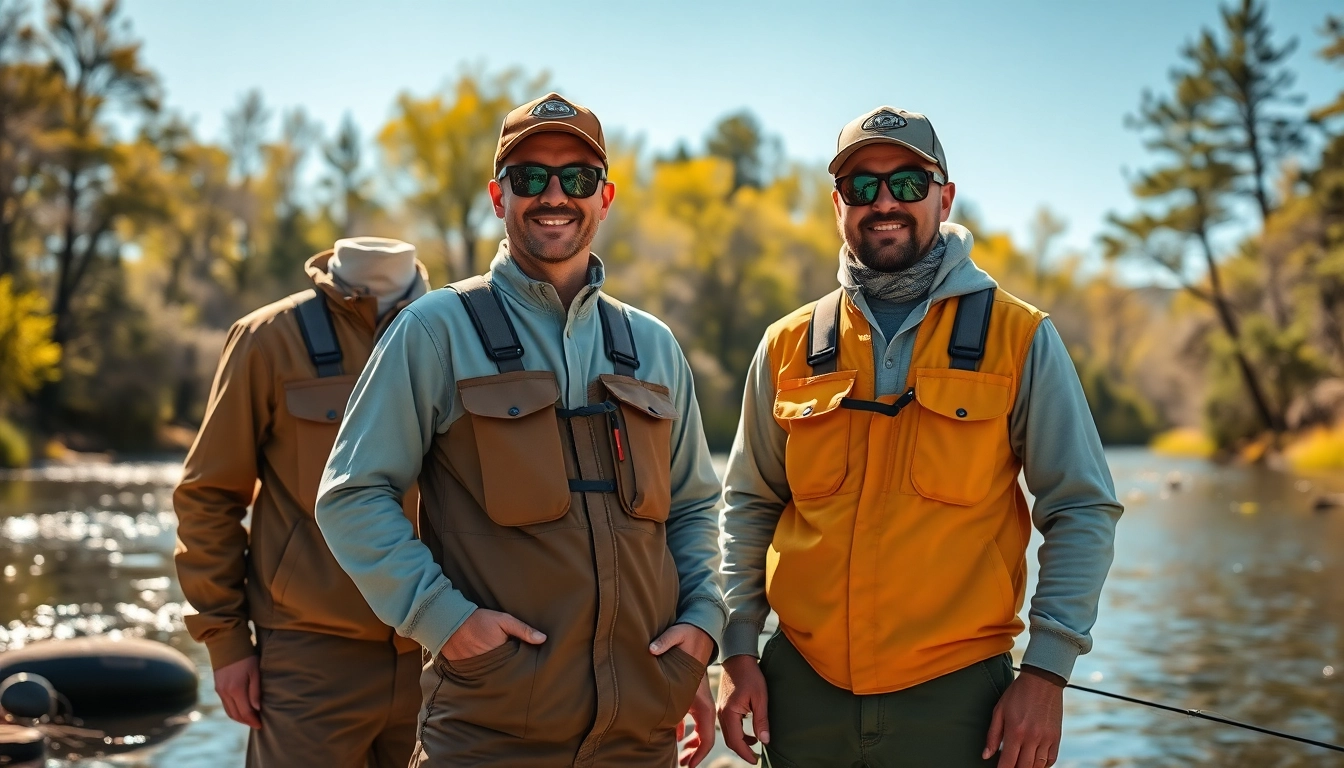
Understanding Fly Fishing Apparel
What is Fly Fishing Apparel?
Fly fishing apparel encompasses specialized clothing designed to enhance the comfort, performance, and overall experience of anglers as they pursue their hobby. This type of apparel typically includes shirts, pants, jackets, and accessories that deliver functionality in various fishing environments. The primary goal is to offer protection from the elements, while also allowing for quick and agile movements. By investing in high-quality fly fishing apparel, anglers can significantly improve their fishing experience and safety.
Importance of Good Quality Apparel
Quality fly fishing apparel is essential for several reasons. First and foremost, it ensures comfort during long hours on the water, where exposure to sun, wind, and water can take a toll on the body. Furthermore, good quality materials usually incorporate moisture-wicking, UV protection, and even anti-microbial properties, which collectively contribute to a much more enjoyable outing. Finally, the right apparel can improve your performance, enabling better casting and movement without the constraints of heavy or ill-fitting clothing.
Key Features to Look For
When selecting fly fishing apparel, there are several key features to consider:
- Moisture-Wicking: Fabrics that absorb and disperse sweat away from the skin for dry comfort.
- Sun Protection: Clothing with built-in UV protection to shield the skin from harmful rays.
- Durability: High-quality materials that withstand frequent contact with water and abrasive surfaces.
- Breathability: Fabrics that allow air to circulate, keeping the wearer cool in warm conditions.
- Convenient Pockets: Ample and strategically placed pockets for easy access to gear and tools.
Types of Fly Fishing Apparel
Shirts and Tops for Fly Fishing
Shirts designed for fly fishing come in various styles suitable for different weather conditions. Long-sleeve shirts often offer UV protection and breathability, making them excellent choices for sunny days. Short-sleeve or tank tops, on the other hand, are suitable for warm conditions where ventilation is essential. Moreover, many fly fishing shirts come with built-in ventilation features, such as back ventilation panels, which enhance airflow.
Pants and Shorts Designed for Anglers
Pants and shorts specifically designed for fly fishing typically feature quick-drying materials and reinforced knees. Many models include cargo pockets for easy access to tackle and accessories. When choosing between pants and shorts, consider the weather and the terrain; pants can provide added warmth and protection from insects and brush, while shorts offer freedom of movement and cooler wear during high temperatures.
Outerwear for Varying Weather Conditions
Weather can change rapidly while fishing, making outerwear an essential component of fly fishing apparel. A good fishing jacket should be waterproof yet breathable for optimal comfort during rain or storms. Insulated jackets are valuable for cold weather, while lightweight windbreakers work well for breezy conditions. Always focus on layers, starting with moisture-wicking base layers and layering up for warmth and protection from the elements.
Materials Used in Fly Fishing Apparel
Breathable Fabrics for Comfort
Breathability is critical for fly fishing apparel because anglers often experience a range of temperatures during a trip. Fabrics such as polyester and nylon are popular choices as they wick moisture away from the body while allowing air circulation. The incorporation of mesh panels, particularly under the arms or in other high-sweat areas, amplifies this effect, keeping anglers cool and dry even on the hottest days.
Water-Resistant and Quick-Drying Options
Water-resistant materials are crucial in fly fishing apparel, as they help repel water and ensure that you stay dry. Look for garments with DWR (durable water repellency) treatment, which helps the fabric shed water beads. Quick-drying features are equally important. Fabrics that dry rapidly prevent you from feeling cold and uncomfortable should you get wet during your fishing excursion.
Insulation and Layering Techniques
When fishing in colder conditions, insulation becomes paramount. Fabrics such as fleece or synthetic insulation are popular for mid-layers, providing warmth without excessive bulk. Layering strategies allow anglers to adjust their clothing as the weather changes. A moisture-wicking base layer should be followed by insulating and waterproof outer layers that can be added or removed based on comfort needs during the day.
Styling Tips for Fly Fishing Apparel
Choosing Colors that Blend with Nature
Color selection plays a crucial role in fly fishing apparel. Opting for earth tones and subtle hues allows anglers to blend into their natural surroundings. Greens, browns, and muted blues help avoid alarming fish while enhancing the overall aesthetic of your fishing outfit. Additionally, the right color choice can provide some camouflage against the sun's glare off the water.
Selecting Functional Accessories
Accessories can enhance your fly fishing experience significantly. Hats with brims offer sun protection for both the face and neck, while lightweight gloves help shield your hands from sun exposure. Polarized sunglasses are vital for reducing glare off the water, making it easier to see fish beneath the surface. Other valuable accessories include fishing vests with multiple pockets for tackling storage, as well as breathable neck gaiters for protection against bites and wind.
How Fit Influences Performance
The fit of your fly fishing apparel directly affects its performance. An outfit that is too tight can restrict movement, hampering your casting technique and overall agility. Conversely, loose fitting garments can lead to fabric snagging and accidental entanglements. A proper fit will allow for a full range of motion while providing a comfortable and secure experience throughout your fishing activities.
Maintenance and Care of Fly Fishing Apparel
Cleansing Techniques for Longevity
Taking proper care of your fly fishing apparel will extend its lifespan significantly. Always consult the care label for specific instructions, but as a general rule, most technical fabrics perform best when washed with cold water on a gentle cycle. Avoid bleach and fabric softeners, as they can damage the moisture-wicking capabilities of synthetic materials.
Storage Tips and Best Practices
Proper storage of fly fishing apparel is essential for maintaining its functionality. Always allow garments to air dry completely before folding. Store them in a cool, dry place away from direct sunlight and moisture, preferably in breathable garment bags or containers. Keeping your apparel organized also makes preparation for your next fishing trip easier, reducing clutter and stress.
Identifying Wear and Tear
Regularly inspect your fly fishing apparel for signs of wear and tear, such as fraying seams, fabric thinning, or discoloration from sun exposure. Early identification of damage allows for timely repairs, which can often extend the life of your garments. If the damage is severe, consider replacing the item rather than risking performance failure during an outing.
Frequently Asked Questions
What should I look for in fly fishing apparel?
Look for light, moisture-wicking, and UV-protected materials that offer comfort and functionality.
Can I wear regular clothes for fly fishing?
While you can, specialized fly fishing apparel provides better performance and protection suited for the environment.
How do I care for my fly fishing apparel?
Always follow care labels; typically, wash in cold water and hang to dry to maintain fabric integrity.
Is dark clothing better for fly fishing?
Generally, lighter colors are preferred as they reflect sunlight and stay cooler while blending with the environment.
Can fly fishing apparel improve my experience?
Yes, the right apparel enhances comfort, mobility, and protection, significantly improving your overall fly fishing experience.