1. Overview of Austin's Construction Market
Austin's construction market has witnessed significant growth in recent years, propelled by a vibrant economy, an influx of new residents, and a booming tech industry. This dynamic atmosphere requires robust strategies and comprehensive knowledge of the industry to navigate successfully. Understanding the intricacies of Austin construction is crucial for stakeholders, ranging from contractors to investors and policymakers. As the city expands, various trends, major players, and economic factors shape the landscape, making it imperative for professionals to stay updated.
1.1 Current Trends in Austin Construction
The construction sector in Austin is marked by several current trends that reflect broader societal shifts such as sustainable building practices, urbanization, and technological advancements:
- Sustainability Focus: There is an increasing emphasis on green building practices, including the use of sustainable materials and energy-efficient systems. Developers are seeking LEED certification and adopting renewable energy solutions.
- Urban Development: As urbanization accelerates, there is a significant push for mixed-use developments that incorporate residential, commercial, and recreational spaces. This trend not only meets housing demands but enhances community engagement.
- Smart Technologies: The integration of smart technologies, including IoT (Internet of Things) devices and automation in construction processes, is revolutionizing how projects are designed and executed, enhancing efficiency and responsiveness.
1.2 Major Players in the Industry
The competitive landscape of Austin's construction market is characterized by both established firms and emerging startups. Notable players include:
- D.R. Horton: Known for its residential developments, D.R. Horton stands out as one of the largest homebuilders in the U.S., significantly influencing Austin’s housing market.
- Turner Construction: A key player in commercial construction, Turner is involved in various iconic projects around the city, contributing to Austin's skyline.
- Austin Commercial: Specializing in commercial and institutional projects, this local firm has been a consistent contributor to Austin's growth.
1.3 Economic Impact of Austin Construction
The construction sector is a vital component of Austin's economy, providing jobs, generating tax revenue, and supporting ancillary industries such as manufacturing and retail. Data from the Austin Chamber of Commerce indicates that the construction industry contributes significantly to local employment, with thousands of jobs directly tied to building activity. Furthermore, the multiplier effect of construction spending results in broader economic benefits such as increased consumer spending and construction-related services.
2. Essential Regulations and Permits
Navigating the regulatory landscape in Austin is crucial for construction professionals. Understanding local codes and obtaining the necessary permits can mean the difference between project success and delays or penalties.
2.1 Understanding Local Building Codes
Austin’s building codes are designed to ensure safety, accessibility, and sustainability in construction. Critical components include:
- International Building Code (IBC): This code outlines essential construction requirements, ensuring buildings can withstand environmental pressures and meet safety standards.
- Energy Code: Emphasizing energy efficiency, it mandates that buildings incorporate energy-saving practices to reduce their carbon footprint.
- Accessibility Standards: Compliance with ADA (Americans with Disabilities Act) regulations ensures that structures are accessible to individuals with disabilities.
2.2 Navigating the Permitting Process
The permitting process in Austin can be lengthy and complex. Key steps include:
- Pre-Application Consultation: Engage with city officials to understand requirements and gather feedback on project proposals.
- Site Plan Submission: Submit detailed site plans that comply with local zoning laws.
- Permit Acquisition: Obtain necessary building permits, which may include zoning, electrical, plumbing, and mechanical permits.
2.3 Compliance with Environmental Standards
Environmental regulations have gained prominence, particularly concerning water management and waste disposal. Builders must adhere to:
- Texas Water Code: Ensures responsible management of water resources, requiring builders to implement effective stormwater management systems.
- Environmental Protection Agency (EPA) Standards: Compliance with federal environmental regulations, including air quality management, is mandated for all new construction projects.
3. Best Practices for Project Management
Effective project management is essential in the construction industry to ensure timely completion and budget adherence. Below are best practices to enhance management methodologies:
3.1 Effective Communication and Collaboration
Establishing clear lines of communication among stakeholders is paramount. Best practices include:
- Regular Meetings: Hold frequent project status meetings to address concerns and share updates.
- Collaboration Tools: Utilize project management technology tools, such as BIM (Building Information Modeling) software, to streamline processes and enhance collaboration among architects, contractors, and engineers.
3.2 Budgeting and Cost Control Techniques
Cost overruns are a significant problem in construction. Employ the following techniques to keep budgets in check:
- Detailed Estimations: Develop precise project estimations based on historical data and current market rates.
- Contingency Planning: Incorporate contingency funds to address unforeseen circumstances that may arise during construction.
3.3 Mitigating Risks and Challenges
Risks are inherent in construction projects. To mitigate these risks:
- Risk Assessment: Conduct regular risk assessments to identify potential challenges and develop mitigation strategies.
- Insurance Coverage: Secure appropriate insurance policies to protect against potential liabilities and risks associated with construction.
4. Innovative Technologies in Construction
The construction industry is increasingly harnessing innovative technologies to improve efficiency and reduce costs. Key advancements include:
4.1 The Role of BIM in Austin Construction
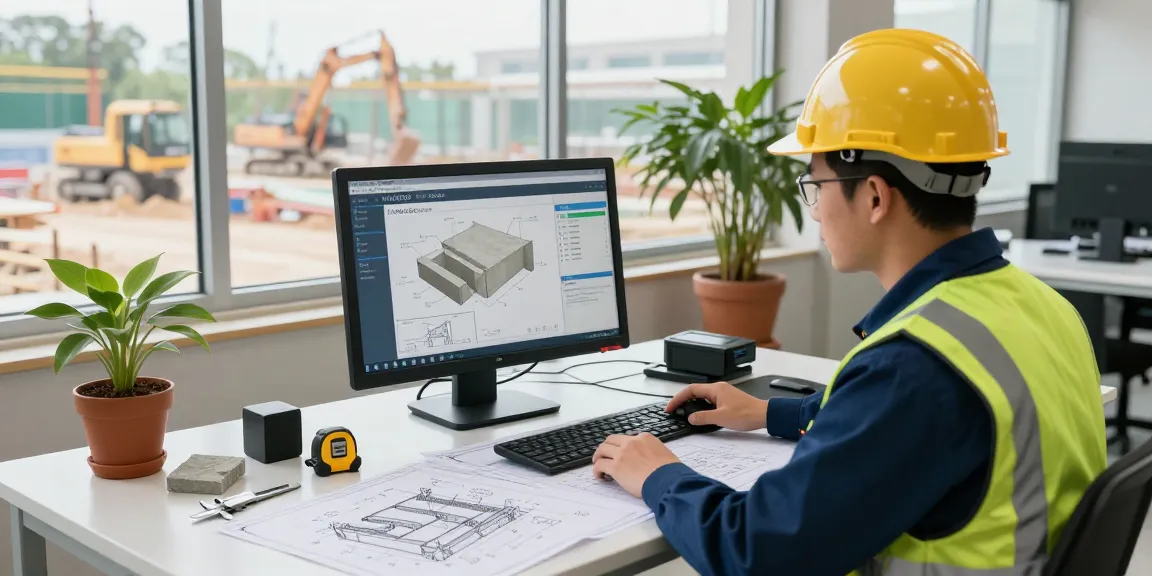
Building Information Modeling (BIM) represents a transformative approach in construction, facilitating collaboration and improving project outcomes. Benefits of BIM include:
- Visualization: Allows stakeholders to visualize the project in a 3D environment, aiding in design decisions.
- Coordination: Improves coordination among different trades, reducing conflicts during construction.
4.2 Advancements in Sustainable Building Materials
Innovations in sustainable materials contribute to decreased environmental impact:
- Recycled Materials: Incorporation of recycled materials reduces construction waste and promotes sustainability.
- Smart Glass: Advanced glazing technologies improve energy efficiency by regulating temperature and reducing reliance on HVAC systems.
4.3 Future Tech Trends Affecting Construction
The future of construction is poised for further disruptions with technologies such as:
- 3D Printing: This technology can revolutionize the construction process by fabricating structural components rapidly and efficiently.
- Drone Technology: Drones offer aerial surveying and monitoring capabilities, enhancing project oversight and safety.
5. Case Studies of Successful Projects
Analyzing successful construction projects can provide valuable insights into best practices and strategies that lead to completion. Below are notable examples from Austin:
5.1 Notable Austin Construction Achievements
Examples of successful projects that highlight Austin's construction prowess include:
- The Independent: Known as the "Jenga Tower," this residential skyscraper exemplifies innovative design and engineering.
- The Austin FC Stadium: A collaborative project that integrates community spaces and promotes local culture through its architecture.
5.2 Lessons Learned from Challenges
While successful projects abound, challenges encountered often yield critical lessons. For instance:
- Delays in Permitting: Many projects face significant delays due to prolonged permitting processes. Adjusting timelines to account for this can mitigate risks.
- Budget Overruns: Projects such as the renovation of the Austin Convention Center highlight the necessity for rigorous budget monitoring and adjustment protocols.
5.3 Insights from Industry Experts
Industry experts emphasize the importance of adaptability and foresight in construction. Successful leaders recommend:
- Continuous Learning: Keeping abreast of new regulations and technologies is crucial to staying competitive.
- Stakeholder Engagement: Building strong relationships with clients, contractors, and the community fosters collaboration and project success.