Defining Anxiety Symptoms: What to Look For
Anxiety can be a pervasive issue, manifesting in various ways. Understanding anxiety symptoms is crucial for those who might be struggling with these feelings. By pinpointing physical, cognitive, and emotional indicators, individuals can identify their struggles more accurately and seek appropriate support. Let’s delve deeper into these aspects of anxiety to foster a deeper understanding.
Physical Indicators of Anxiety Symptoms
The physical manifestations of anxiety are often the most recognizable and include symptoms such as:
- Restlessness: A fidgety feeling that makes it hard to relax.
- Increased Heart Rate: A racing heart can signal anxiety, particularly in stressful situations.
- Muscle Tension: Many people unconsciously tighten their muscles when anxious, leading to discomfort.
- Shortness of Breath: Those experiencing anxiety may feel a tightness in their chest.
- Fatigue: Persistent anxiety can lead to emotional exhaustion and physical fatigue.
In recognizing these symptoms, it’s essential to note when they primarily occur, as patterns can greatly assist in understanding one’s anxiety triggers.
Cognitive Fragments of Anxiety Symptoms
Cognitive symptoms create a landscape of worry that can overwhelm individuals. These include:
- Constant Worry: An incessant feeling of dread about various aspects of life.
- Difficulty Concentrating: A mind that feels foggy or distracted.
- Overthinking: Excessive rumination about past events or future worries.
- Impaired Decision-Making: Anxiety can paralyze choices, preventing individuals from acting decisively.
These cognitive symptoms may have a cyclical effect, once leading back to the physical manifestations, thereby elevating overall anxiety levels.
Emotional Responses Related to Anxiety Symptoms
The emotional landscape during anxiety can be tumultuous, often characterized by:
- Feelings of Irritability: A slight trigger can lead to a strong emotional reaction.
- Fear of Losing Control: Many experience a deep-rooted fear of losing touch with reality or their surroundings.
- Overwhelming Sadness: Anxiety can coexist with depression, intensifying emotional responses.
Qualifying these emotional responses allows individuals to find coping mechanisms tailored to their specific situations.
The Impact of Anxiety Symptoms on Daily Life
Understanding how anxiety symptoms can disrupt daily activities is vital in addressing and managing their effects. The ripple effect of anxiety manifests across various domains of life.
Anxiety Symptoms and Work Performance
Anxiety symptoms can significantly affect work performance. Individuals may exhibit:
- Decreased Productivity: Racing thoughts and distractions may hinder task completion.
- Increased Absenteeism: Anxiety can lead to frequent days off work due to emotional distress.
- Poor Interpersonal Relations: Feeling anxious can make interactions with colleagues more challenging.
- Lower Job Satisfaction: Anxiety can cloud enjoyment associated with one’s work, leading to burnout.
Addressing these issues at the workplace can open doors to a healthier, supportive environment conducive to employee well-being.
Social Interactions Affected by Anxiety Symptoms
Social anxiety is a common disruption for those experiencing anxiety symptoms, leading to:
- Avoidance of Social Situations: Many may choose to stay home to escape anxious feelings in unrehearsed environments.
- Struggles with Communication: Anxiety can make conversation feel daunting, leading to brief engagements.
- Peer Perception Worries: Concerns about how others view their anxiety often exacerbate the issue.
Understanding how anxiety affects social interactions is essential when building support structures that encourage well-being.
How Anxiety Symptoms Influence Relationships
Relationships can be deeply affected when one partner is struggling with anxiety symptoms. This influence includes:
- Emotional Withdrawal: Individuals may isolate themselves, creating distance in relationships.
- Increased Tension: Fear and irritability can lead to miscommunication between partners.
- Dependency Issues: Some may rely heavily on their partner for emotional reassurance, which can create strain.
By acknowledging these dynamics, couples can foster healthier lines of communication and support.
Common Misconceptions About Anxiety Symptoms
Despite a growing awareness of mental health, misconceptions about anxiety symptoms persist, complicating the understanding of this challenging condition.
Myths vs. Reality: Dissecting Anxiety Symptoms
Several myths continually circulate about anxiety, including:
- Myth: Anxiety is just 'in your head.' Reality: Anxiety also embodies physical manifestations, not merely emotional.
- Myth: Only people with severe problems experience anxiety. Reality: Anxiety can affect anyone, ranging from mild to debilitating symptoms.
Understanding these misconceptions allows individuals to seek help without stigma.
Understanding the Spectrum of Anxiety Symptoms
Anxiety symptoms do not present uniformly across individuals. They occur on a wide spectrum, where:
- Mild Anxiety: Everyday stress that is manageable.
- Moderate Anxiety: Symptoms that interfere with daily life but can be managed with strategies.
- Severe Anxiety: Profound symptoms that significantly reduce the quality of life and require intensive interventions.
Differentiating between these levels is vital for developing appropriate coping strategies.
Expert Insights on Anxiety Symptoms Misunderstandings
Experts suggest that the media portrayal of anxiety often doesn’t capture its complexity. It’s crucial to educate oneself through credible sources to dispel the myths surrounding anxiety symptoms and recognize when seeking help is necessary.
Effective Strategies for Managing Anxiety Symptoms
Managing anxiety symptoms often requires a holistic approach encompassing self-care practices, professional treatment options, and robust support systems.
Self-Care Practices to Alleviate Anxiety Symptoms
Every individual can implement self-care practices to manage anxiety symptoms effectively. Consider:
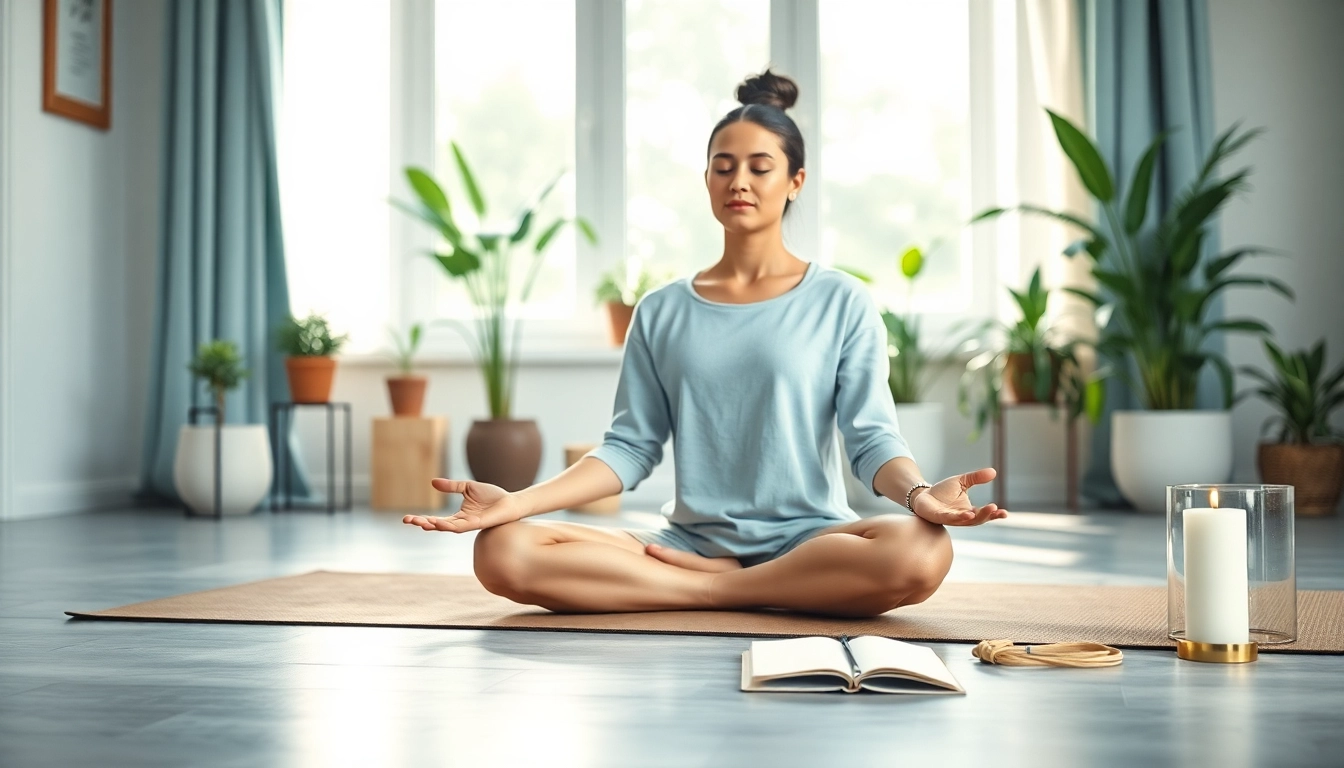
- Mindfulness and Meditation: These practices can promote relaxation and emotional regulation.
- Regular Physical Activity: Exercise releases endorphins, improving mood and reducing tension.
- Healthy Nutrition: Eating a balanced diet can influence mental health positively.
- Sufficient Sleep: Prioritize sleep hygiene to rejuvenate both body and mind.
Incorporating these practices into daily routines can significantly reduce anxiety symptoms over time.
Professional Treatment Options for Anxiety Symptoms
When anxiety symptoms are overwhelming, seeking professional help can provide relief through:
- Cognitive Behavioral Therapy (CBT): A widely used approach that addresses distorted thinking patterns.
- Medication: Under a physician’s guidance, some may benefit from medications targeting anxiety.
- Group Therapy: Connecting with others can provide a support network and lessen feelings of isolation.
Combining these treatments tailored to individual needs often yields the best outcomes in managing anxiety symptoms.
Support Systems for Coping with Anxiety Symptoms
Building a robust support system is fundamental to managing anxiety symptoms. Consider the following:
- Reaching Out to Friends and Family: Sharing feelings can foster understanding and relief.
- Joining Support Groups: Engaging with others experiencing similar challenges can lessen isolation.
- Online Communities: Many platforms exist where anxiety sufferers can connect, share experiences, and offer support.
Utilizing support systems can greatly enhance emotional health and create avenues for shared coping strategies.
FAQs About Anxiety Symptoms
What are the primary anxiety symptoms?
Anxiety symptoms often include excessive worry, restlessness, fatigue, difficulty concentrating, and physical symptoms like accelerated heart rate.
How can I tell if I have anxiety symptoms?
If you experience persistent feelings of tension, unease, or dread, along with physical manifestations, it may indicate anxiety symptoms.
Are anxiety symptoms the same for everyone?
No, anxiety symptoms can vary greatly in type and intensity from person to person based on individual circumstances.
When should I seek help for anxiety symptoms?
Seek help if anxiety symptoms interfere with daily life, relationships, or functioning, or if they become overwhelming.
Can anxiety symptoms be managed without medication?
Yes, many people manage anxiety symptoms through therapy, lifestyle changes, and mindfulness practices instead of medication.