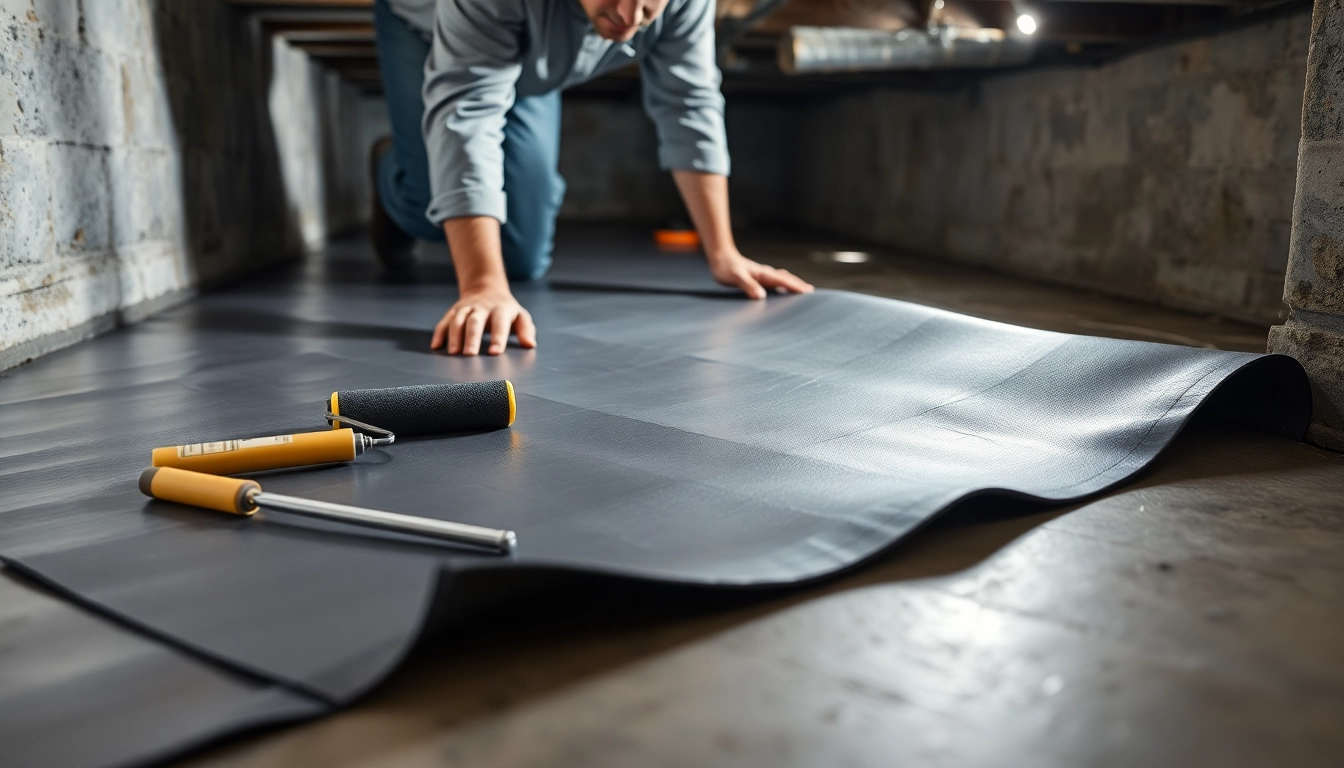
Understanding Vapor Barrier Installation
What is a Vapor Barrier?
A vapor barrier is a material designed to prevent moisture from penetrating walls, floors, and ceilings in a building. Typically composed of a thin plastic or foil sheet, vapor barriers protect your home from vapor transmission, which can lead to mold, mildew, and structural damage. The installation of vapor barriers is crucial in areas prone to high humidity levels, especially in basements and crawl spaces.
Importance of Vapor Barriers in Homes
Vapor barriers serve as a first line of defense against moisture infiltration, thus playing an essential role in maintaining indoor air quality and the longevity of a home’s structure. Homes without adequate moisture control can suffer from a variety of issues, including:
- Mold Growth: Damp environments encourage mold proliferation, which can have adverse health effects.
- Structural Damage: Excess moisture can weaken foundational structures, leading to costly repairs.
- Increased Energy Costs: High humidity can make heating and cooling systems work harder, increasing energy expenses.
Investing in Vapor Barrier Installation can safeguard your home from these potential hazards.
Common Materials Used for Vapor Barriers
When considering vapor barrier installation, selecting the right material is vital. The most common materials include:
- Polyethylene Sheeting: This is the most standard material, available in different thicknesses (typically 6 to 10 mils). It is durable, cost-effective, and suitable for most applications.
- Foil: Often used in combination with insulation, foil barriers reflect heat back into the home, improving energy efficiency.
- Bituminous Membranes: These are asphalt-based waterproof membranes usually applied in high-moisture areas for superior protection.
- Spray-on Barriers: Some products allow for application directly to surfaces for a seamless barrier, custom fit to the area’s dimensions.
Steps for Proper Vapor Barrier Installation
Preparation Before Installation
Before installing a vapor barrier, it’s essential to prepare the area. Here are key preparation steps:
- Inspect the Area: Check for existing moisture issues, such as pooling water or significant dampness, which must be addressed prior to installation.
- Clear the Space: Remove debris, old insulation, or materials that may obstruct a properly sealed barrier.
- Dry the Area: Ensure the installation space is thoroughly dry. Use dehumidifiers if necessary to reduce moisture levels.
Installation Techniques for Different Areas
Vapor barrier installation varies depending on the specific area of the home:
1. Crawl Spaces
For crawl spaces, follow these steps:
- Lay down the vapor barrier over the dirt floor, overlapping seams by at least 12 inches.
- Seal all seams with tape designed for vapor barriers to ensure a continuous seal.
- Extend the barrier up the walls and secure it with fasteners, ensuring it’s well sealed around vents and access openings.
2. Basements
In basements, the installation involves:
- Applying a vapor barrier to walls that are prone to moisture infiltration.
- Ensure proper sealing around windows and other openings to prevent moisture infiltration.
- Use construction adhesive or mechanical fasteners to secure the barrier against the wall.
3. Interiors of Walls
When installing barriers within walls, take the following approach:
- Install before painting or finishing the surface, placing the barrier behind insulation.
- Make sure to seal all edges properly to avoid air gaps that allow moisture transmission.
Common Mistakes to Avoid
To ensure effective vapor barrier installation, avoid these frequent mistakes:
- Improper Sealing: Failing to seal seams and edges can lead to moisture ingress. Always overlap and tape seams.
- Inadequate Material Thickness: Using a barrier that is too thin may not provide sufficient moisture resistance. Stick to recommended thicknesses.
- Neglecting Surface Preparation: Skipping clearance or drying steps can compromise effectiveness. Thoroughly prepare the area beforehand.
Benefits of Professional Vapor Barrier Installation
Expertise and Quality Assurance
While DIY installation may seem tempting, hiring professionals brings numerous advantages, particularly expertise:
- Knowledge of Codes: Professionals are familiar with local building codes and standards, ensuring compliance and safety.
- Correct Material Selection: Experts can recommend the best materials suited for your specific environment and needs.
- Quality Workmanship: Professional installations typically offer better results in terms of effectiveness and durability.
Long-term Cost Savings
Although there’s an upfront cost for professional installation, it can lead to significant long-term savings:
- Damage Prevention: A properly installed vapor barrier minimizes the risk of mold and structural damage, saving on costly repairs.
- Energy Efficiency: By controlling humidity, your heating and cooling systems operate more efficiently, reducing energy bills.
Warranty and Support
Most professional installations come with warranties, offering peace of mind and support. In case of any issues arising post-installation, you have the assurance of professional follow-up services, protecting your investment.
Maintenance and Inspection of Vapor Barriers
Routine Checks and Repairs
To ensure the longevity and effectiveness of your vapor barrier, regular inspections are crucial. Here’s how to maintain it:
- Conduct annual inspections, checking for tears, punctures, or signs of moisture.
- Address any repair needs immediately; promptly patch minor damage to avoid further issues.
- Consider having professionals perform inspections as they can identify hidden problems.
Signs of Damage and Moisture Issues
It’s vital to recognize signs indicating that your vapor barrier may be compromised:
- Increased Humidity: A rise in humidity levels within your home can suggest a failing barrier.
- Mold Growth: Visible mold in crawl spaces or basements indicates moisture problems.
- Pooling Water: Standing water near the barriers or on the ground suggests immediate attention is needed.
How to Extend the Life of Your Vapor Barrier
Maximizing the lifespan of your vapor barrier involves proactive measures, including:
- Ensure proper drainage around your foundation to divert water away.
- Maintain regularly scheduled check-ups and maintenance on heating and cooling systems.
- Control indoor humidity levels through ventilation and dehumidifiers to reduce strain on the barrier.
FAQs about Vapor Barrier Installation
How do I know if I need a vapor barrier?
If you have a damp crawl space or basement, a vapor barrier is essential to prevent moisture issues.
Can I install a vapor barrier myself?
Yes, but professional installation ensures that it's done correctly to maximize effectiveness.
What materials are best for vapor barriers?
Polyethylene sheeting is commonly used due to its durability and effectiveness against moisture.
How often should I check my vapor barrier?
Inspect your vapor barrier at least once a year for signs of damage or wear, especially after heavy rainfall.
What are the signs of a failing vapor barrier?
Signs include increased humidity, mold growth, or water pooling on the ground, indicating potential issues.