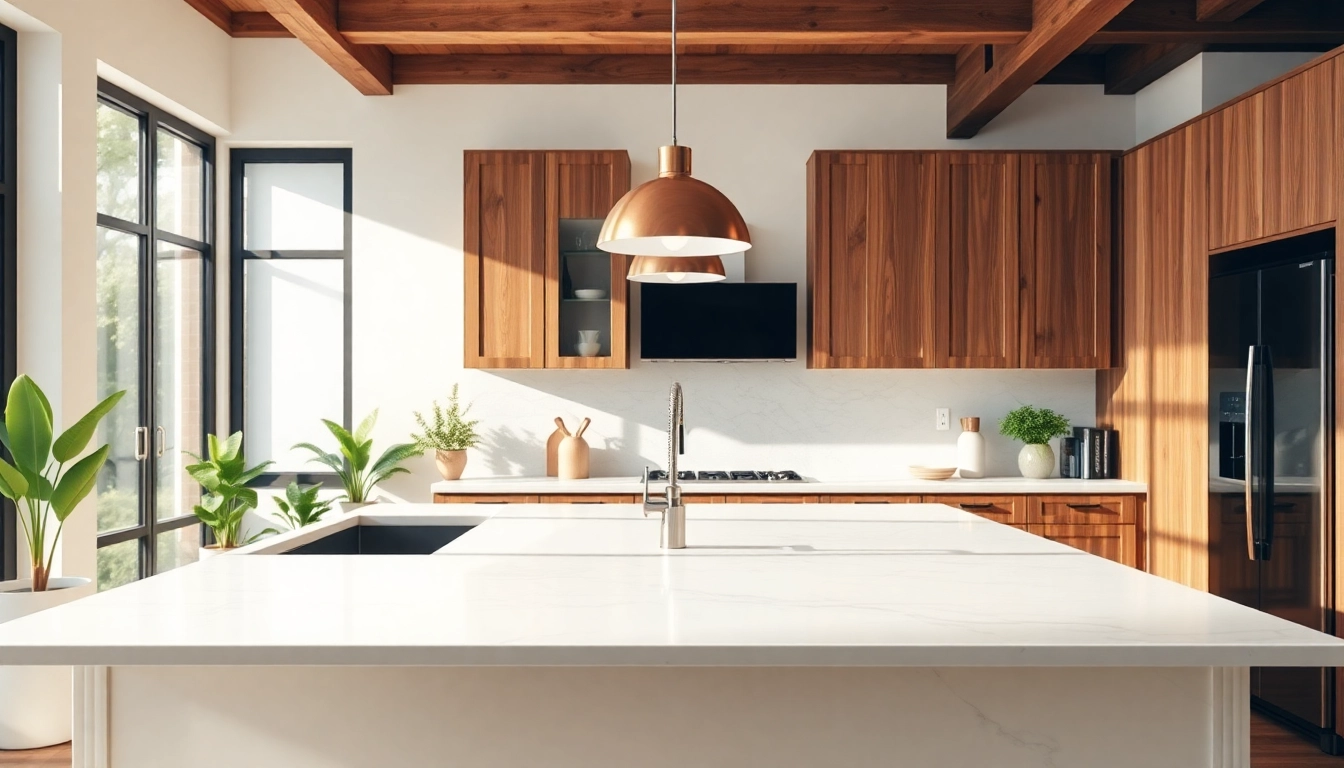
Understanding the Importance of Island Lighting
Island lighting is a crucial element in contemporary kitchen design, not only serving as a functional necessity but also as a stylistic feature that can elevate the overall aesthetic of the space. As kitchens have developed into the heart of the home, the significance of effective lighting cannot be overstated. In this exploration of island lighting, we will delve into its role in kitchen design, how to choose the right style for your space, and the critical factors to consider for optimal lighting solutions. If you want to enhance your kitchen ambiance, understanding island lighting is key.
The Role of Island Lighting in Kitchen Design
At the core of any kitchen is the island, often utilized for meal preparation, dining, and socializing. The role of island lighting is multifaceted. First and foremost, it provides crucial illumination for tasks performed on the island, improving functionality and safety as you cook or entertain guests. The right lighting can enhance the mood and feel of the kitchen, creating a welcoming atmosphere that encourages family gatherings and entertaining. Furthermore, artistic or stylish light fixtures can act as a central design element, drawing attention and serving as a conversation starter.
Choosing the Right Style for Your Space
When selecting island lighting, the style should harmonize with the overall decor of your kitchen. From rustic farmhouse to sleek modern aesthetics, lighting choices vary significantly. For a country-style kitchen, consider pendant lights with wrought iron finishes or wooden details. In contrast, a minimalist kitchen may benefit from geometric fixtures that provide an array of light without overwhelming the space. It’s also essential to think about color schemes; metallic finishes like brass or chrome can add a contemporary twist, while warm wood or muted tones may foster a cozier environment.
Factors to Consider for Optimal Lighting
Finding the perfect island lighting involves several important considerations. First, assess the size of your kitchen island; larger islands may require multiple fixtures to ensure even illumination. Next, consider the height of your ceilings; tall ceilings might necessitate longer hanging fixtures to maintain balance. The type of lighting—warm white, cool white, or colored—will also impact the mood of your kitchen. Additionally, think about functionality; task lighting, ambient lighting, and accent lighting should all be factored into your design. Lastly, consider energy efficiency; opting for LED bulbs can save energy while providing flexibility in different lighting settings.
Types of Island Lighting Available
Pendant Lights: A Trendy Choice
Pendant lights have become one of the most popular choices for island lighting due to their versatility and aesthetic appeal. They come in various designs, from industrial to artisan, allowing you to customize the look to match your kitchen's style. Hang them individually for an understated look or cluster them in groups for a bolder statement. The height and spacing between pendants should be carefully planned to create a balanced visual that offers sufficient task lighting without obstructing sight lines.
Chandeliers: Adding Elegance to Your Kitchen
Chandeliers are not just for dining rooms anymore; they can serve as stunning focal points over kitchen islands. A well-placed chandelier can add a touch of sophistication and elegance. Opt for designs that suit the scale of your kitchen—larger chandeliers may overwhelm small spaces, while dainty fixtures might get lost in grander kitchens. Furthermore, consider the material; glass chandeliers can reflect light beautifully whereas metal finishes can add a modern edge.
Recessed Lighting: Subtle Yet Effective
Recessed lighting offers a sleek, unobtrusive solution for island lighting. It provides a clean, streamlined look which is ideal for minimalist kitchens. When installing recessed lights, ensure they are placed adequately to cover the entire island surface. A well-designed recessed lighting layout offers excellent task lighting without taking away from other decorative features in the kitchen. Pair recessed lights with decorative fixtures to achieve an effective blend of functionality and aesthetic appeal.
How to Install Island Lighting Safely
Preparing the Electrical Setup
Before diving into the installation of your island lighting, it's crucial to ensure that the electrical setup is prepared correctly. Turn off the power at the breaker box before starting. If new wiring is needed, you may want to consult with or hire a licensed electrician to handle this part of the process safely. It is essential to understand the specifications of your lighting fixtures, including wattage and voltage, to avoid electrical issues down the road.
Placement and Height Considerations
The placement and height of your island lighting can significantly affect its function as well as decorative impact. As a general rule, pendants should hang about 30 to 36 inches above the countertop to allow for maximum illumination and clearance for taller individuals. When positioning multiple fixtures, spacing them evenly—roughly 25-30 inches apart—helps create a cohesive lighting scheme. Keep in mind the visual balance of your kitchen workspace and your light fixture choice to avoid inadequate coverage.
Essential Tools Needed for Installation
To install your island lighting, you'll need a few essential tools. Gather a drill, wire stripper, level, screwdrivers, and possibly a stud finder to locate support beams for secure mounting. Depending on your specific lighting fixtures, you may also need different types of light bulbs, wiring connectors, and safety goggles for protection. Planning your approach and having the necessary equipment on hand can make the installation process smoother and more efficient.
Maintaining Your Island Lighting Features
Cleaning and Upkeep Tips
To ensure your island lighting remains a highlight of your kitchen, regular cleaning and maintenance are essential. Dust and grease can accumulate over time, which diminishes the quality of light and tarnishes the fixtures. For glass fixtures, use a soft microfiber cloth and a mild detergent to avoid scratched surfaces. For hard-to-reach areas, consider a gentle vacuum attachment. Regular cleaning, ideally once a month, keeps your lighting fixtures looking fresh and functioning optimally.
Replacing Bulbs: What You Need to Know
Replacing bulbs in your island lighting is a task that should not be overlooked. It is recommended to check light bulbs every few months, especially if they are flickering or dimming. When replacing bulbs, opt for energy-efficient LED options to maximize longevity and reduce electricity costs. Familiarize yourself with the wattage required for your fixtures to ensure you select compatible bulbs. Always turn off power before attempting to replace any lights for safety.
Energy Efficiency Considerations
In today's eco-conscious world, selecting energy-efficient lighting options is not just a budget-wise decision but also an ethical one. LED bulbs outshine traditional incandescent bulbs not only in energy savings but also in lifespan. Furthermore, consider multi-functional smart lighting solutions to adjust brightness and color temperature based on the time of day or desired mood. Such technologies not only conserve energy but also have the potential to enhance the usability and ambiance of your kitchen.
FAQs About Island Lighting
What is the ideal height for pendant lights above an island?
The ideal height is generally 30 to 36 inches above the countertop to ensure proper illumination and clearance.
Can I mix different styles of island lighting?
Yes, mixing styles can add character to your kitchen, but ensure they complement each other in design and scale.
How many pendant lights do I need for my kitchen island?
A good rule is to use one pendant light for every 2-3 feet of the island length for balanced lighting.
What types of bulbs are best for island lighting?
LED bulbs are highly recommended for their energy efficiency and variety of color temperatures to achieve desired ambiance.
How often should I clean my island lighting fixtures?
It's best to clean fixtures at least once a month to keep them looking their best and functioning efficiently.