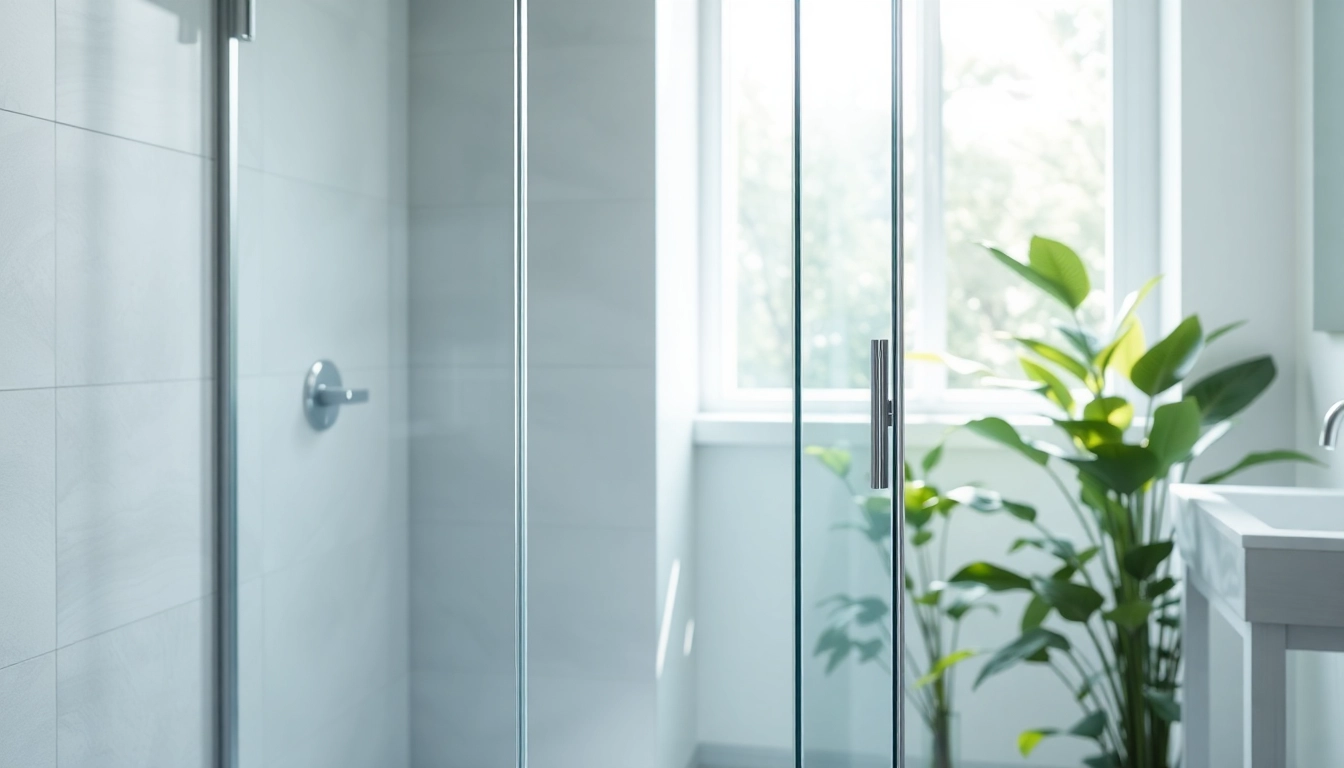
Understanding Shower Screen Door Options
Types of Shower Screen Door Available
When selecting a shower screen door, understanding the various types available can significantly influence both aesthetics and functionality. There are three primary categories: hinged, sliding, and bi-fold doors.
Hinged Shower Doors swing open like a standard door and are commonly used in corner showers or alcoves. They provide a wide entryway, making them ideal for spacious bathrooms.
Sliding Shower Doors operate on a track system and are perfect for tight spaces as they don't require additional room to swing open. These models are modern and can add a sleek look to any bathroom design.
Bi-Fold Shower Doors fold inwards, making them a great space-saving option, especially in smaller bathrooms. They combine the elegance of a full panel with the practicality of compact storage.
Benefits of Installing a Shower Screen Door
Installing a shower screen door brings numerous benefits. Firstly, it minimizes water splashes outside the shower area, reducing the chances of slipping and water damage to your bathroom floor. This containment also makes cleaning much easier.
Moreover, a well-chosen shower screen door enhances the shower's aesthetic appeal. With a variety of designs and materials available, it can significantly elevate the overall look of your bathroom.
Another advantage is that it can improve your home’s value. Prospective buyers are often drawn to features that promote cleanliness and ease of maintenance, making a well-installed shower screen door a smart investment.
Choosing the Right Material for Your Shower Screen Door
The choice of material for a shower screen door plays a critical role in its durability and maintenance. Common materials include tempered glass, acrylic, and vinyl.
Tempered Glass is the most popular choice due to its strength and safety. It is four to five times stronger than standard glass and, if broken, shatters into small, harmless pieces.
Acrylic doors are lighter and less expensive than glass, making them a budget-friendly alternative. However, they are more prone to scratches and may not have the same longevity.
Vinyl is often used for bi-fold doors and is a versatile, low-maintenance option. While it may not offer the upscale look of glass, it provides good insulation and is easy to clean.
Design Considerations for Shower Screen Door
Color and Texture Options
When it comes to design, color and texture are key elements to consider. Shower screen doors typically come in clear, frosted, and tinted glass options. Clear glass is the go-to choice for a minimalist look, while frosted glass offers enhanced privacy without sacrificing light.
Textures can add an interesting visual flair. Textured glass options include rain patterns, geometric designs, or etched patterns that can lend uniqueness to the shower while also providing some privacy.
Space-Saving Solutions with Shower Screen Door
In smaller bathrooms, optimizing space is essential. Sliding and bi-fold shower screen doors are particularly effective in tight areas as they don’t require room to swing out like hinged doors do.
Consider designing a corner shower with a bi-fold door to maximize space and minimize obstructive views.
Frameless vs. Framed Shower Screen Door
The choice between frameless and framed shower screen doors can drastically alter the perception of space and light in your bathroom. Frameless doors offer a sleek, modern look and allow for an uninterrupted view, making the bathroom appear larger. They are often made from thicker tempered glass and may require professional installation due to their weight and design.
Conversely, framed doors use a metal frame for support and are typically easier to install. They can be more affordable but may not provide the same aesthetic appeal as frameless options.
Installation Insights for Shower Screen Door
DIY vs. Professional Installation
The decision between DIY installation and hiring a professional can depend on your level of comfort with home improvement projects. DIY installation can save on costs but requires meticulous measurements and skills. It’s crucial to follow the manufacturer’s instructions closely.
Hiring a professional guarantees that the installation is done correctly and safely, which could be especially important for heavy glass doors that require precise alignment.
Tools Required for Installation
If you choose to install the shower screen door yourself, having the right tools is crucial. Essential tools include a level, measuring tape, drill, screwdriver, and possibly a glass cutter depending on the door design. Ensure you have safety equipment like gloves and goggles to protect yourself during the installation.
Cost Considerations for Shower Screen Door Installation
Cost can vary significantly depending on several factors such as the type of door, materials, and whether professional installation is chosen. On average, a basic shower screen door can run between $200 to $700, while more luxurious options may exceed that range. Additionally, installation services can cost anywhere from $100 to $500, depending on the complexity.
Maintenance and Care for Shower Screen Door
Routine Cleaning Tips
Regular maintenance is crucial for keeping your shower screen door looking new. Use a mixture of vinegar and water for an effective cleaning solution to prevent soap scum build-up. A daily wipe-down can also reduce the need for deep cleaning.
Microfiber cloths work wonders for avoiding scratches while cleaning, ensuring a streak-free finish on glass doors.
Common Issues and Solutions
Common issues with shower screen doors include water stains, misalignment, and rust on fittings. Water stains can often be removed with vinegar, while misalignment may require a simple readjustment of hinges or tracks. If rusting occurs, consider replacing rusted parts or using rust-proof materials in future installations.
Extending the Lifespan of Your Shower Screen Door
To extend the lifespan of your shower screen door, ensure regular cleaning and maintenance, use proper sealing techniques, and avoid excessive force when opening and closing the doors. Additionally, ensure that the bathroom is well-ventilated to minimize moisture accumulation, which can weaken materials over time.
Frequently Asked Questions About Shower Screen Door
What materials are used in shower screen doors?
Shower screen doors are primarily made from tempered glass, acrylic, or vinyl. Tempered glass is favored for its durability and safety, while acrylic is lightweight and cost-effective.
How do I measure for a shower screen door?
To measure, determine the width and height of the shower opening. Measure at multiple points to ensure accuracy. Always use the smallest measurement when selecting a door.
Can I install a shower screen door myself?
Yes, with the right tools and instructions, you can install a shower screen door yourself. However, ensure you have the necessary skills, as incorrect installation may lead to issues.
What are the benefits of a frameless shower screen door?
Frameless shower screen doors offer a modern, unobstructed view, enhancing the bathroom's spaciousness. They also tend to be easier to clean due to fewer crevices.
How do I clean and maintain my shower screen door?
Regular cleaning with vinegar and water is effective for removing soap scum and water stains. Wipe the door dry after each use to prevent mineral build-up.