Understanding the Nano Banana Technology
The nano banana represents a groundbreaking approach to AI image editing, leveraging advanced capabilities that cater to both professional creators and casual users. As we delve into the complexities of this innovative tool, it becomes essential to understand its foundation, technology, and key features that set it apart from traditional editing software. This exploration not only highlights its potential applications but also addresses how it can enhance workflows in creative industries.
What is Nano Banana?
Nano Banana is a state-of-the-art AI image generator and editor developed by Google, specifically utilizing its Gemini 2.5 Flash Image technology. Unlike standard image editing tools, Nano Banana provides a unique platform that allows users to edit images not only by conventional means but through simple text commands. This natural language processing capability simplifies and accelerates the editing process, making it accessible to individuals without extensive graphic design experience.
The Technology Behind Nano Banana
The core of Nano Banana’s innovation lies within Google's artificial intelligence architecture, which allows the model to understand and process complex image editing tasks. By harnessing deep learning and neural networks, Nano Banana can recognize elements within images and apply creative modifications based on user prompts. For instance, a user might input a request to change the background of a portrait to a beach scene, and Nano Banana seamlessly executes this task while maintaining the subject's authenticity.
Key Features of Nano Banana
- Natural Language Processing: Users can input simple text commands to edit images, making the process intuitive and user-friendly.
- Consistency in Character Representation: Nano Banana excels at retaining character likeness across different images, which is crucial for branding and storytelling.
- Creative Scene Generation: The tool allows users to envision their subjects in new environments or scenarios, fostering creativity.
- Versatile Editing Tools: From costume changes to location swaps, the editing capabilities are vast and varied, catering to diverse artistic needs.
- AI-Driven Enhancements: Leveraging AI, Nano Banana can propose enhancements and creative adjustments automatically based on the context of the image.
Getting Started with Nano Banana
Embarking on your journey with Nano Banana is straightforward, thanks to its user-friendly interface and extensive support resources. Whether you are a novice or an experienced editor, understanding how to navigate the tool effectively is essential for maximizing its output.
Creating Your First Project Using Nano Banana
To start your first project, begin by signing up on the Nano Banana platform. Once you’re in, you can upload an image and explore various editing functionalities. The interface provides guided prompts that help you utilize the AI's capabilities efficiently. For instance, you might upload a family photo and ask the AI to add a festive background, allowing you to create a personalized holiday card effortlessly.
Best Practices for Effective Image Editing
To make the most out of Nano Banana, consider the following best practices:
- Use Clear and Concise Prompts: The more specific your request, the better the AI will understand and execute your vision.
- Experiment with Different Styles: Don’t hesitate to try various aesthetic options to see how they alter your images creatively.
- Leverage the Showcase Feature: Check out user-generated examples in the Showcase section to gather inspiration for your projects.
- Iterate and Refine: Use the AI adjustments as a base to further refine your images manually for a professional touch.
Common Challenges and Solutions
As with any advanced technology, users may encounter challenges. Here are some common issues and their solutions:
- Unintended Edits: If the AI misinterprets your request, refine your prompt by adding more detail.
- Image Quality Issues: Ensure that your original image is of high quality to optimize the output results.
- Understanding AI Recommendations: Familiarize yourself with how Nano Banana suggests changes, which can improve your editing efficiency.
Advanced Techniques in Nano Banana
Once you are comfortable with the basic functionalities of Nano Banana, exploring advanced techniques can elevate your work to new heights. These strategies can enhance photo quality and provide unique artistic outputs.
Enhancing Photos with AI Capabilities
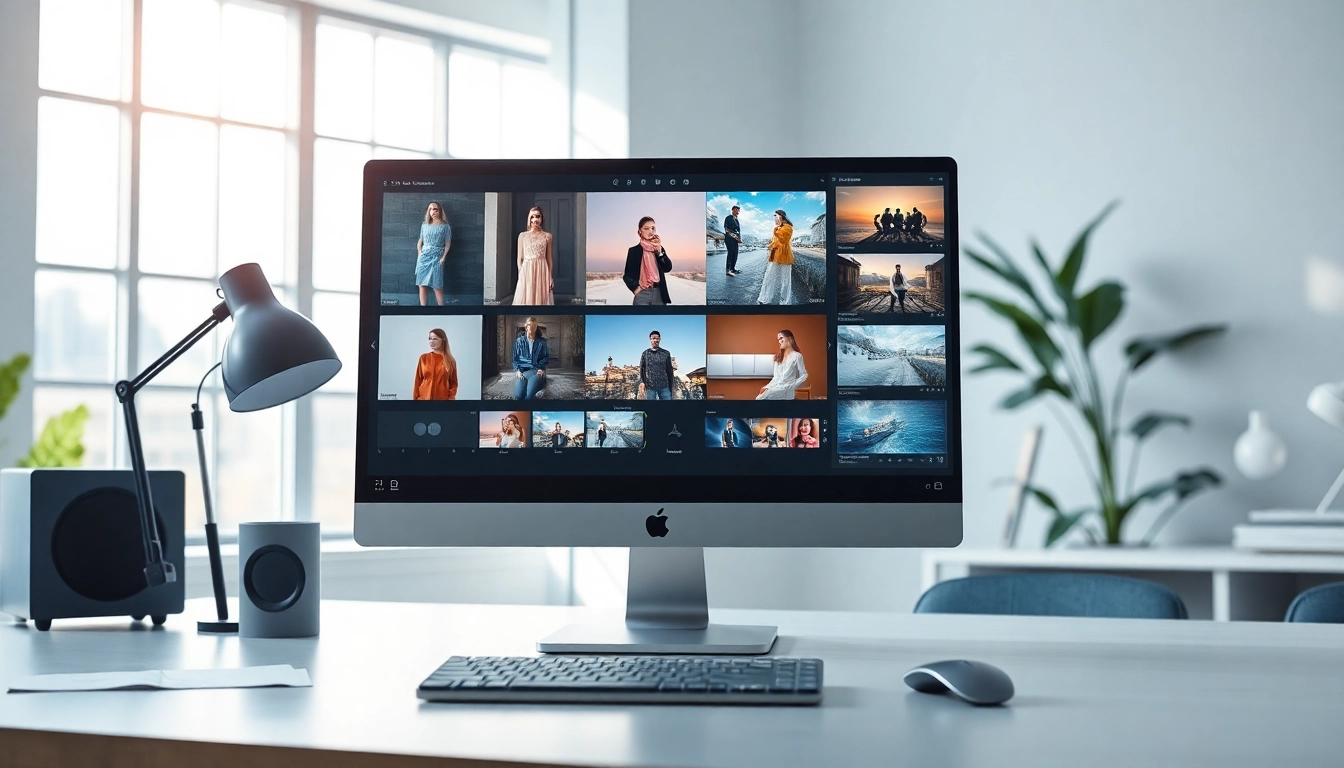
Nano Banana's AI-driven enhancements offer a range of options that can significantly improve photo quality. By utilizing filters, adjusting brightness, and even generating completely new backgrounds, you can create visually stunning images that tell a story. For example, layering textures or applying a painting effect can transform an ordinary photo into a piece of art.
Creative Applications for Nano Banana
The creative applications of Nano Banana are virtually limitless. For instance, graphic designers can explore unique branding assets by generating consistent images across various media. Additionally, photographers can use Nano Banana to preview how different edits might look on their work before finalizing any changes, effectively reducing the time spent in the editing suite.
Integrating Nano Banana into Your Workflow
Incorporating Nano Banana into your existing workflow requires some planning. Start by identifying tasks that can benefit from AI support, such as bulk editing or rapid prototyping of designs. You might develop a routine where initial edits are made with Nano Banana before transitioning to manual adjustments, thereby streamlining your editing process.
Comparative Analysis: Nano Banana vs. Competitors
When considering an AI image editing tool, comparing Nano Banana to its competitors can provide valuable insights into its uniqueness and strengths. Understanding what's available can also help users identify which tool best suits their needs.
Overview of Competing Tools
Several alternatives to Nano Banana exist within the market, including established names like Adobe Photoshop and emerging platforms like Canva and Fotor. Each tool offers unique features, but many lack the simplicity and depth provided by AI-driven capabilities.
Strengths and Weaknesses Compared to Alternatives
- Natural language editing capabilities.
- Real-time collaboration features for team projects.
- High-quality output with consistent character representation.
- May require an internet connection for optimal performance.
- Learning curve for users accustomed to traditional editing tools.
User Feedback and Reviews
User feedback on Nano Banana has generally highlighted its innovative approach to image editing. Many users appreciate the intuitive design and the ability to achieve complex edits without extensive training. However, some have noted that the AI may sometimes misinterpret prompts, emphasizing the importance of clear communication with the tool.
Future Trends in AI Image Editing with Nano Banana
The landscape of AI image editing is ever-evolving, with innovations continuously emerging. As we look towards 2025 and beyond, it's essential to anticipate trends that will shape tools like Nano Banana.
Predicted Innovations in 2025 and Beyond
The future of Nano Banana holds exciting prospects, including improvements in machine learning algorithms that enhance the AI’s understanding of creative requests. Additionally, the integration of virtual reality and augmented reality functionalities could provide users with immersive editing experiences, allowing them to manipulate images in a 3D space.
The Role of User Experience in Future Developments
As technology advances, user experience will become increasingly central to Nano Banana’s development. Future updates may aim to simplify workflows further, enhance accessibility features, and provide personalized user interfaces based on individual editing habits and preferences.
Adapting to Emerging Technologies
To remain competitive, Nano Banana must adapt to emerging technologies like the integration of blockchain for authenticating digital artwork and ensuring copyright protections. Furthermore, partnerships with graphic design schools and content creators can foster a community that propels ongoing innovation.